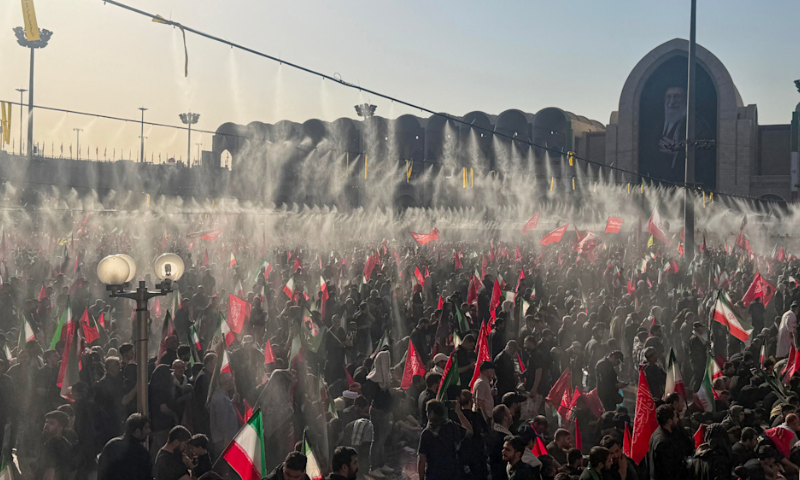
Tehran, July 5,2026: Iran’s military has said it is using the current ceasefire to strengthen its combat readiness, warning that any “enemy mistake” would draw a “crushing and decisive response”, as oil producers moved to raise output and maritime activity in the Gulf began showing signs of recovery.
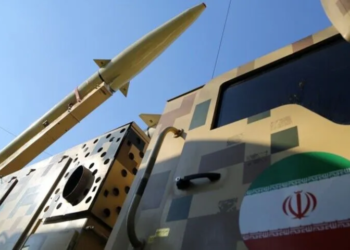
According to Al Jazeera, Brigadier-General Mohammad Akraminia said the Iranian armed forces were using the pause in hostilities to reinforce their capabilities and prepare for any possible escalation.
“We will not waste a single moment or neglect this,” he said, warning that if Iran’s enemies made any miscalculation, they would face a “crushing and decisive response” from the country’s armed forces.
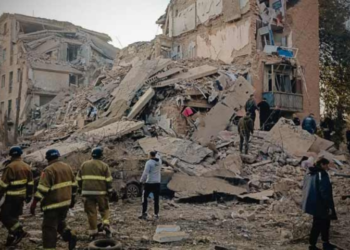
The warning comes after weeks of war triggered by the killing of former Iranian Supreme Leader Ayatollah Ali Khamenei on February 28. Thousands of US and Israeli air strikes targeted military installations, energy facilities and civilian infrastructure across Iran during the conflict. Iranian state media says more than 3,000 people were killed in the attacks.
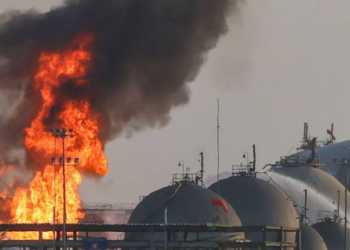
In a parallel development, OPEC+ agreed on Sunday to further increase oil output from August, adding to global supply as crude prices continue to ease with the gradual reopening of the Strait of Hormuz.
In a statement issued after an online meeting, the oil-producing group said it would raise output quotas by 188,000 barrels per day from August, following similar increases in June and July.
Seven core OPEC+ members — Saudi Arabia, Russia, Iraq, Kuwait, Algeria, Kazakhstan and Oman — have already raised output quotas by nearly 800,000 barrels per day between April and July. However, much of that increase remained unrealised due to the US-Israeli war on Iran, which disrupted tanker traffic through the Strait of Hormuz, a key export route for major Gulf producers.
According to OPEC data, the group’s output fell sharply to 33.13 million barrels per day in May from 42.77 million bpd in February. Production began recovering in June as efforts were made to facilitate exports from Gulf producers, but supply remains below pre-war levels.
Despite ongoing disruptions, Brent crude prices have fallen back to around $72 per barrel, down from wartime peaks above $120, amid weaker Chinese demand, higher non-Middle East exports and a record strategic stock release coordinated by the International Energy Agency.
A memorandum of understanding between Washington and Tehran aimed at ending the war has also reassured traders that regional oil supplies may eventually stabilise.
OPEC+ is also facing internal challenges, with Iraq pressing for higher production quotas and the United Arab Emirates having formally exited the alliance in late April.
The UAE’s departure followed long-standing differences over production limits, as Abu Dhabi sought greater flexibility to align output with its actual capacity. OPEC+ now consists of 21 members, although only seven producers are currently involved in monthly supply management.
With the August increase, the seven core members will have almost fully unwound the 1.65 million bpd production cut agreed in 2023. If a similar increase is approved at the group’s next meeting on August 2, the cut could be fully reversed by September.
In another sign of easing tensions, Iran and Qatar have resumed maritime trade after a suspension of around five months, Iranian state media reported on Sunday.
Iran’s commercial attaché in Doha, Abbas Abdolkhani, said shipping between Iran’s Dayyer port and Qatar’s Al Ruwais port had resumed after coordination between the Iranian embassy and Qatari authorities.
Qatar also announced that all maritime activities would resume with immediate effect, reversing a June 29 advisory that had temporarily suspended sailing and fishing boats. Commercial shipping had remained exempt from the restrictions.
The Qatari transport ministry urged vessel operators to continue observing maritime safety regulations, but did not explain the earlier suspension. The advisory had come shortly after Qatar reported that one of its nationals had been killed by shrapnel linked to military operations in the region.
Despite signs of recovery, traffic through the Strait of Hormuz remains below pre-conflict levels. Ship-tracking firm Windward reported that four vessels altered course while transiting the strategic waterway, with two turning back off Oman’s coast and two others diverting to the central shipping lane.
Tehran has said it will assume sole responsibility for managing traffic through the strait during the 60-day period covered by its memorandum of understanding with the United States. Iranian officials have also indicated that, in coordination with Oman, service fees could be introduced for ships using the route once the agreement period ends.
Meanwhile, US President Donald Trump said Israeli Prime Minister Benjamin Netanyahu had requested a meeting at the White House, which could take place as early as next week.
In remarks to Axios, Trump said he and Netanyahu “get along very good” and added that the Israeli premier “knows who the boss is”.
An Israeli official, however, suggested that next week may be too soon because of Trump’s scheduled visit to Türkiye for the NATO summit on July 7-8, saying the meeting could instead take place the following week.
Netanyahu’s office said the Israeli leader spoke to Trump on Friday to congratulate him on the 250th US Independence Day, and the two agreed to meet soon in the United States.
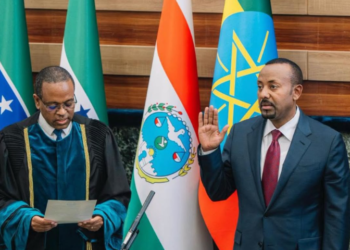
Trump also said he was closely following the funeral of Ayatollah Khamenei and claimed that Iran wanted to return to negotiations. He said both sides had decided to pause talks until the funeral concluded, adding that neither side would fire on the other during that period.
Separately, the United Kingdom Maritime Trade Operations (UKMTO) said it had received a report of an incident about 30 nautical miles southwest of Yemen’s Hodeidah, where a cargo vessel issued a distress signal saying it was under attack by unknown armed assailants.
Authorities are investigating the incident, while ships transiting the area have been advised to exercise caution and report any suspicious activity.