Islamabad, July 27, 2026: At least 107 people have lost their lives and 344 others have been injured in rain-related incidents across Pakistan since the onset of the monsoon season in late June, as authorities warned of another spell of heavy rainfall later this week.
According to the National Disaster Management Authority (NDMA), the majority of fatalities were caused by the collapse of houses and roofs following torrential rains and flash flooding.
Khyber Pakhtunkhwa has recorded the highest number of deaths with 55, followed by Punjab where 36 people have died. Hundreds of homes have also been damaged as heavy rains continue to batter several parts of the country.
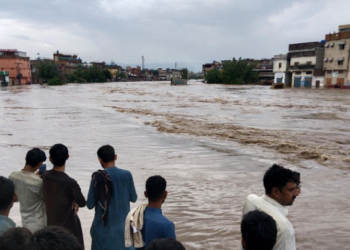
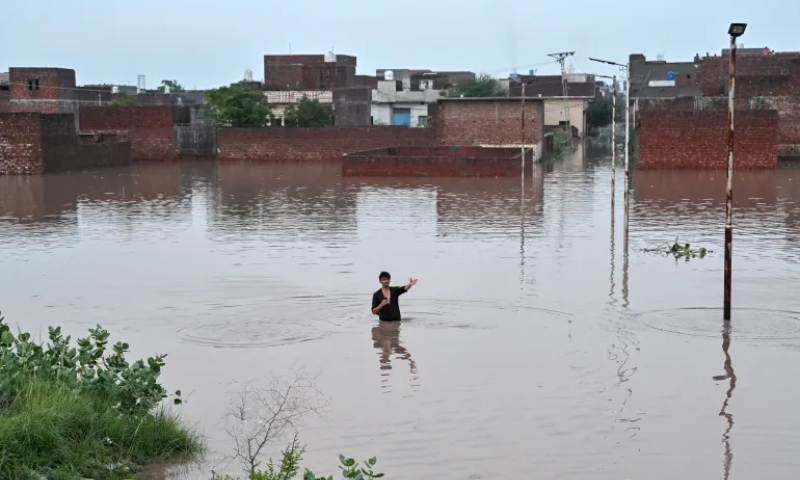
In Punjab, floodwaters have inundated vast areas, particularly in Lahore and Gujranwala divisions. A senior official of the Punjab Irrigation Department described the situation as “very alarming”, saying nearly 400 square kilometres had come under water, creating conditions resembling an “inland sea”.
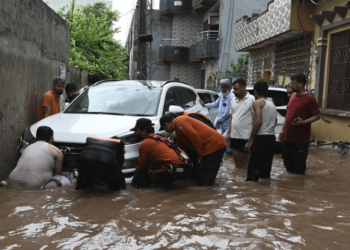
Authorities in Lahore have established at least 17 flood relief camps to accommodate displaced residents, while emergency response teams have been deployed across the province to assist affected communities and drain floodwaters.
Punjab Chief Minister Maryam Nawaz Sharif said rescue and relief operations were continuing in flood-hit areas, with all relevant departments directed to remain on high alert.
The Pakistan Meteorological Department (PMD) said no major flood-generating rainfall is expected until July 29. However, it has forecast a fresh spell of monsoon rains from Wednesday in the upper catchments of major rivers, Islamabad, upper Punjab, Azad Jammu and Kashmir, Khyber Pakhtunkhwa and Gilgit-Baltistan.
The Met Office said the Ravi River was currently flowing at a medium flood level, while most of the country’s major rivers remained at normal to low flood levels. Authorities have warned that the upcoming rainfall could raise river flows and increase the risk of flooding in vulnerable areas.
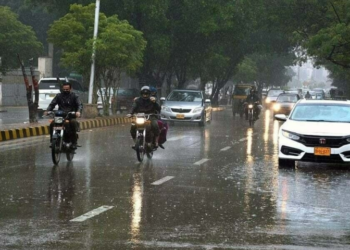
Heavy cloudbursts over recent weeks have brought exceptionally high rainfall to Lahore and several other cities in Punjab, inundating urban centres and low-lying areas. Disaster management officials said close monitoring of river levels would remain critical as the monsoon season progresses.
Pakistan remains highly vulnerable to extreme weather events, with rapid urbanisation, inadequate drainage infrastructure and unplanned settlements increasing the risk of flooding in major cities.
The monsoon season, which typically continues until September, is expected to keep disaster management authorities on alert as further heavy rains are forecast in the coming weeks.