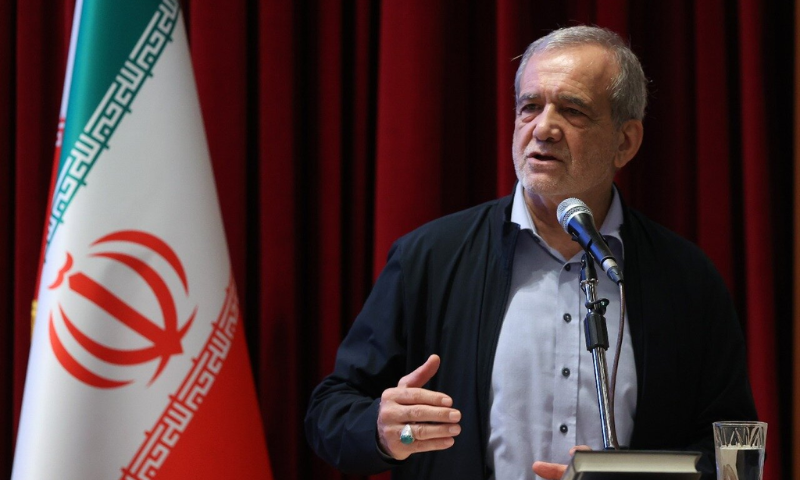
Tehran, August 21, 2026: Iranian President Masoud Pezeshkian on Friday vowed that Iran would not capitulate to foreign pressure, warning that any aggression threatening the country’s sovereignty and national dignity would face a decisive response.
Addressing healthcare professionals and political figures at the 31st General Assembly of the Islamic Association of Iran’s Medical Community, Pezeshkian said Tehran would continue to resist what he described as foreign bullying.
“We will under no circumstances bow to bullying,” the president said, stressing that Iran would stand firm against external pressure and respond forcefully to any aggression.
Pezeshkian also defended Iran’s June memorandum of understanding with the United States, describing it as an important diplomatic achievement that was unanimously approved by Iran’s Supreme National Security Council without compromising the country’s national dignity.
He said the agreement contained no provision that could be interpreted as Iran’s surrender and accused Washington of subsequently violating its commitments under the understanding, further undermining diplomatic trust between the two sides.
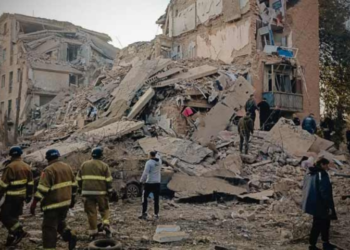
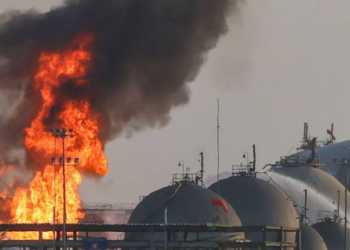
The Iranian president linked Tehran’s position to the broader regional confrontation, referring to what he described as US-Israeli aggression launched on February 28 against Iranian territory and infrastructure.
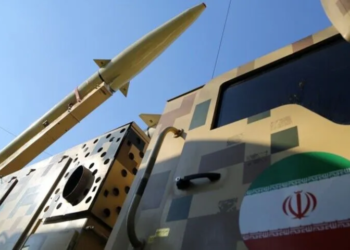
Pezeshkian said Iran had responded in self-defence while maintaining that the country must retain strong defence capabilities to deter future threats and remain vigilant against what he called foreign deception.
However, the president placed equal emphasis on strengthening internal cohesion, urging political factions and civic groups to overcome divisions and work together in the national interest.
He warned that internal disputes and fragmentation could pose a greater threat to Iran than external pressure, calling for greater unity as the country confronts regional tensions and economic difficulties.
Addressing the economic consequences of the confrontation, Pezeshkian acknowledged that maintaining Iran’s position would require sacrifices from the population.
“When we raise slogans, we must accept the hardship that comes with them,” he said.
At the same time, Pezeshkian argued that Iran’s defence capabilities had created space for Tehran to pursue peace from a position of strength rather than vulnerability.
“War has to end at some point. It is better to end the war today, while we are in a position of strength and dignity,” he said.
The remarks reflected a dual message from Tehran, combining a firm rejection of coercion and unilateral pressure with an expressed willingness to pursue genuine avenues toward peace, provided Iran’s sovereignty, security and national dignity are respected.