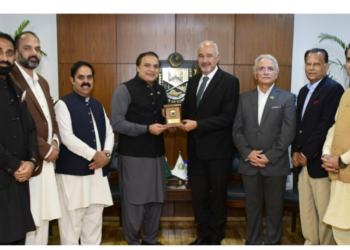

Islamabad, October 24, 2026: Dr. Akbar Niazi Teaching Hospital (ANTH), in collaboration with the Government of Pakistan under the Prime Minister’s National Programme for the Elimination of Hepatitis C, has screened thousands of people and expanded its preventive healthcare services to communities across Islamabad, Azad Jammu and Kashmir (AJK) and surrounding areas.
The initiative began with an extensive internal screening drive covering staff and students of GAK HealthCare International’s hospitals and colleges, along with their families. It has since expanded to the wider public through free screening camps at educational institutions and community centres.
The outreach programme has included screening camps at Iqra University in Islamabad, Ali Medical Institute in Muzaffarabad, AJK, Punjab College, The Smart School, and community centres in Bhara Kahu and surrounding areas.
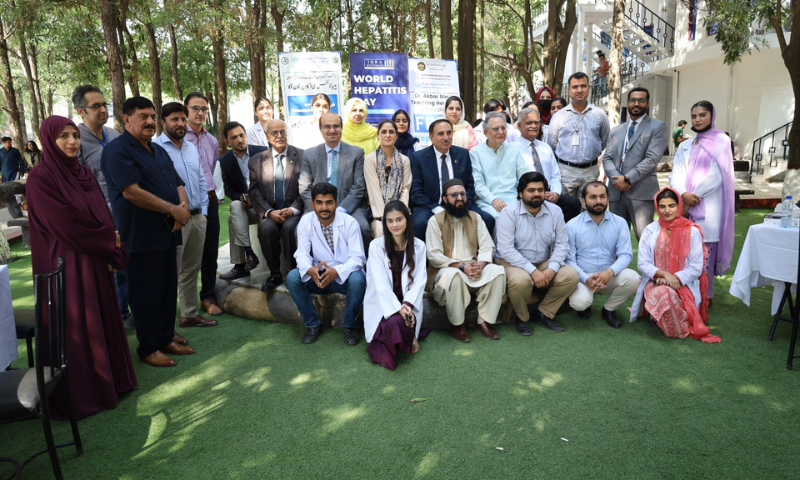
The camp at Iqra University was jointly inaugurated by Dr. Zia Ullah Khan Dawar, Project Director of the Prime Minister’s National Hepatitis Programme; Yasir Khan Niazi, Group CEO of GAK HealthCare; and Prof. Eitazaz Ahmed, Vice Chancellor of Iqra University.
Maj. Gen. (Retd.) Prof. Dr. Muhammad Aslam, Vice Chancellor of City University Islamabad/Islamabad Medical & Dental College (IMDC), and Dr. Areej Neyazi, Director of Hospitals at GAK, also attended the event.
Dr. Dawar appreciated ANTH’s contribution to the national initiative and highlighted the importance of collaboration in expanding screening services and supporting Pakistan’s efforts to eliminate hepatitis C.
Yasir Niazi said the initiative reflected ANTH’s commitment to making quality healthcare accessible beyond hospital premises.
“Quality healthcare for all means ensuring that people can access essential services before illness becomes more difficult to treat. By taking hepatitis screening into communities and connecting people who test positive with treatment, we are putting this commitment into practice,” he said.
He added that partnerships between public institutions and healthcare providers could extend the reach of essential services and accelerate progress towards eliminating hepatitis C in Pakistan.
Students from IMDC’s Community Medicine and Medical Laboratory Technology (MLT) departments have also participated in the camps, gaining practical experience in preventive medicine and community-based healthcare.
Beyond screening, ANTH is providing medicines and treatment to individuals who test positive, helping connect early detection with timely medical care.
Pakistan’s hepatitis C elimination efforts depend on identifying undiagnosed cases and ensuring that affected individuals can access appropriate treatment. By combining community-based screening with treatment support, ANTH is contributing to the national initiative and demonstrating the role healthcare institutions can play in translating public health priorities into practical action.