Islamabad, October 2, 2025: After days of escalating verbal exchanges between coalition partners, National Assembly Speaker Sardar Ayaz Sadiq successfully mediated a truce between the Pakistan Muslim League-Nawaz (PML-N) and the Pakistan Peoples Party (PPP), The News reported on Thursday.
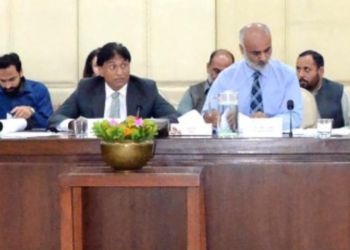
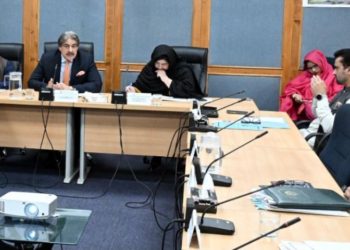
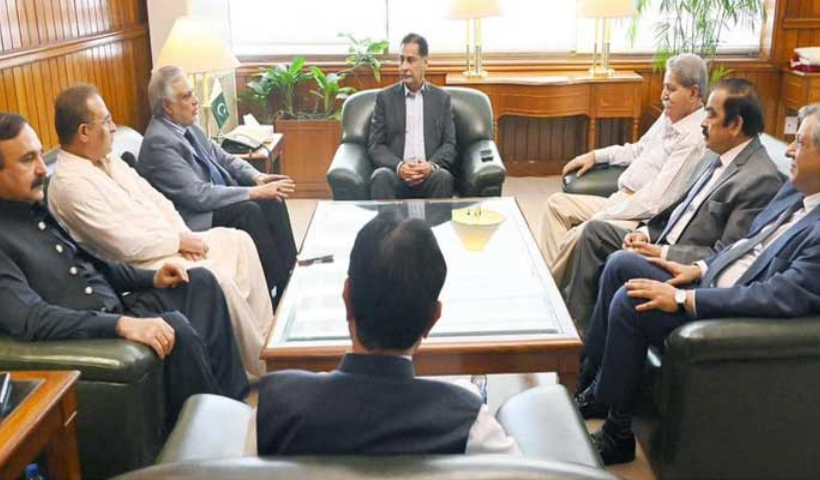
The meeting, held in the speaker’s chamber, was attended by Deputy Prime Minister Ishaq Dar, Senator Rana Sanaullah, Federal Minister Rana Mubashir, and other senior PML-N leaders. The PPP was represented by Naveed Qamar and Aijaz Jakhrani.
According to sources, PPP leaders raised objections to recent remarks by Punjab Chief Minister Maryam Nawaz and other PML-N provincial leaders, terming them “unhelpful” for coalition unity. The PPP stressed that coalition rules of engagement required mutual respect and an end to personal attacks against each other’s leadership.
The rift between the allies had widened in recent days over flood relief distribution, the Benazir Income Support Programme (BISP), and Punjab’s utilisation of water resources. PPP had demanded that flood aid be channelled through BISP, a proposal rejected by the Punjab government.
Sources said PML-N leaders acknowledged that harsh public statements had created unnecessary friction and assured PPP of addressing their concerns with party leadership. They emphasised the need to move past differences and focus on governance and public service.
The PPP described the meeting as “positive” but warned that unless its reservations were addressed, the party would withhold support for upcoming legislation.
NA Speaker Ayaz Sadiq urged both parties to shelve disputes and “move forward together in the larger national and public interest.” He expressed hope that the coalition would restore harmony and focus on the joint governance agenda.
A day earlier, senior PML-N leader Rana Sanaullah had questioned the credibility of BISP data while countering PPP’s stance on aid distribution. He also defended Punjab CM Maryam Nawaz’s position on the canals project, stating that the province had the right to utilise its allocated water share.