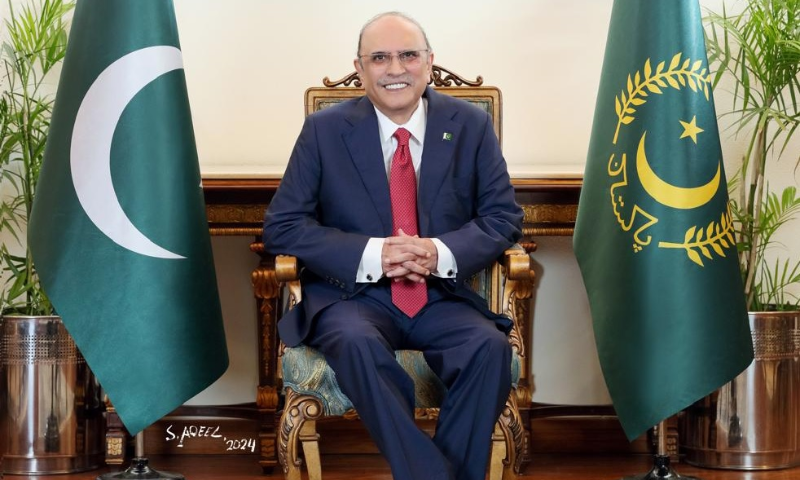
Islamabad, January 23, 2026: President Asif Ali Zardari has emphasized the central role of youth in shaping Pakistan’s educational future, calling for their meaningful involvement as thinkers, innovators, and responsible citizens, rather than viewing them solely as learners.
In his message on the occasion of the International Day of Education, the President extended greetings to the people of Pakistan, particularly students, teachers, parents, scholars, and all those engaged in education and learning.
Referring to this year’s theme, “The Power of Youth in Co-Creating Education,” President Zardari said it underscores the importance of recognizing young people as active contributors whose ideas strengthen educational systems and democratic societies.
He noted that Pakistan’s future is closely linked to its youth and stressed that education must nurture curiosity, competence, and character. It should enable young people to think critically, act ethically, and contribute positively to their communities, he said, adding that the constitutional guarantee of free and compulsory education under Article 25-A reflects the state’s commitment to this fundamental right.
The President said that in a rapidly changing and interconnected world, education must blend academic excellence with practical skills, digital literacy, ethical values, and respect for diversity. He highlighted ongoing efforts to strengthen higher education, promote research and innovation, and expand digital learning as part of this evolving vision.
He further said that measures such as expanded access to higher education, merit-based student support, and improved access to technology are helping youth engage more effectively with the knowledge economy.
Highlighting the importance of technical and vocational education, President Zardari said such training equips young people with employable skills while affirming the dignity of labour. He noted that national skills development initiatives are preparing youth for emerging technologies and aligning training with international standards, creating pathways for employment, entrepreneurship, and global engagement.
The President also stressed the need for inclusive approaches that extend educational opportunities to women, madrassa students, and youth from underserved regions, saying such measures promote social cohesion and equitable progress.
He said education thrives when families, communities, educators, institutions, and the private sector work together, and when students themselves are actively involved in shaping their learning environments.
On the occasion, President Zardari urged all stakeholders to reaffirm education as a national priority and to empower youth as partners in building a skilled, enlightened, and resilient Pakistan. He expressed hope that collective efforts would continue to promote peace, progress, and prosperity for future generations.