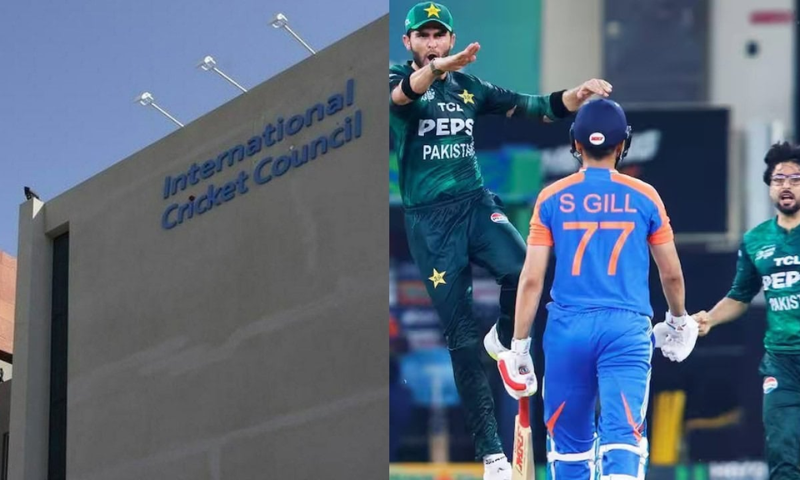
Dubai, February 2, 2026: The International Cricket Council (ICC) has convened an emergency virtual meeting of its Board today following the Pakistani government’s announcement that its national cricket team will boycott the scheduled group-stage match against India in the ICC Men’s T20 World Cup 2026.
The high-profile clash between the arch-rivals is slated for February 15, 2026, in Sri Lanka. The boycott decision was announced on Sunday through the official social media channel of the Government of Pakistan after a conclusive meeting between Prime Minister Shehbaz Sharif and Pakistan Cricket Board (PCB) Chairman Mohsin Naqvi.
According to the government’s statement, Pakistan has been granted permission to participate in the World Cup tournament but has been explicitly barred from taking the field against India. The move is widely seen as an attempt to exert financial pressure on the ICC, which PCB Chairman Mohsin Naqvi has recently accused of applying “double standards” and operating under the influence of the Indian cricket board.
The ICC confirmed that it is awaiting formal written communication from the PCB regarding the decision. In a preliminary response, the global governing body expressed serious concern, stating that selective participation runs counter to the fundamental principles of a world sporting event and undermines the spirit of fair competition.
While acknowledging the prerogative of national governments, the ICC urged the PCB to reconsider the decision, warning that it could cause significant harm to the sport and its global fanbase. The council encouraged the Pakistani board to seek a mutually acceptable solution that safeguards the interests of all stakeholders.
The ICC Board is now expected to deliberate on the implications for the tournament’s integrity and address what it views as a clear breach of playing agreements, which require participating teams to honour all scheduled fixtures.
Sources familiar with the matter said the meeting will consider significant sanctions against Pakistan. These could include heavy financial penalties on the PCB and a possible ban from future ICC tournaments. Other measures under discussion reportedly include restrictions on Pakistan’s bilateral series with leading cricketing nations and limitations on foreign player participation in the Pakistan Super League (PSL).
Additionally, the PCB may be held financially responsible for compensating broadcasters and commercial partners for losses arising from the boycotted match.
The latest development comes against the backdrop of growing PCB dissatisfaction with ICC decisions, including the recent late replacement of Bangladesh with Scotland in the tournament schedule, which has further strained relations between the Pakistani board and the global cricket body.