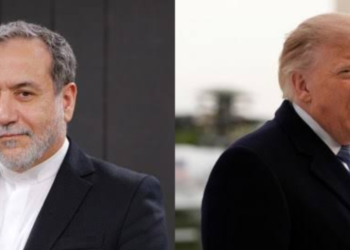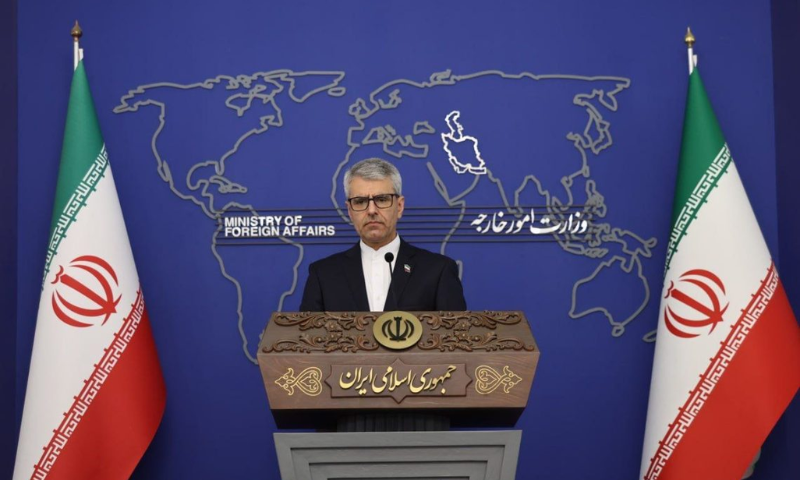
Tehran/Washington, May 11,2026: Iran has described its latest response to a United States proposal aimed at ending the ongoing conflict as “legitimate and generous,” while accusing Washington of maintaining “unreasonable and one-sided demands,” according to comments by Foreign Ministry spokesperson Esmaeil Baghaei during a press briefing.
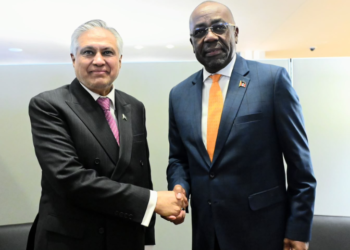
Baghaei said Iran’s position—recently conveyed to the US via diplomatic channels including through Pakistan—focuses on ending the war, lifting restrictions, and ensuring what Tehran calls the release of frozen Iranian assets.
He stated that Iran’s demands include an end to hostilities, lifting of what he described as a “blockade,” cessation of alleged “piracy,” and the unfreezing of Iranian financial assets held in foreign banks under US pressure.
Baghaei also emphasized the importance of ensuring safe maritime passage through the Strait of Hormuz, alongside broader regional security arrangements involving Lebanon and the Gulf region. He described these proposals as “responsible and constructive” for regional stability.
The remarks come amid heightened tensions following US President Donald Trump’s reported rejection of Tehran’s response to a peace initiative, with Washington insisting that Iran’s counter-proposal was “unacceptable.”
According to international reports, the US proposal had aimed to halt hostilities before moving toward broader negotiations on Iran’s nuclear programme. However, Iran instead focused its response on ending military action across multiple fronts and lifting sanctions.
Tehran warned that the US rejection could further destabilize the region, with Baghaei stating that security had already been undermined by Washington’s stance.
The dispute continues to impact global energy markets, with oil prices rising sharply amid concerns over disruptions in the Strait of Hormuz, a key transit route for global energy supplies.
The waterway, which historically carried a significant portion of global oil and liquefied natural gas trade, has seen reduced traffic due to ongoing tensions, raising fears of prolonged economic disruption.
Baghaei also said that China remains closely engaged on the issue following recent consultations, noting that stability in the Gulf and wider region is a shared international priority.
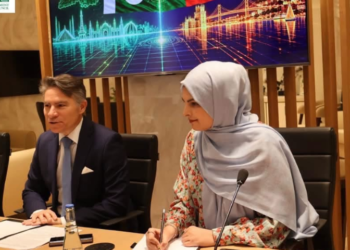
Separately, Iranian and Saudi officials have also held discussions on regional developments and ongoing diplomatic efforts involving Tehran and Washington.
Iran’s Foreign Ministry warned European countries against deploying naval forces to the region, cautioning that any such move could further escalate tensions and worsen global energy instability.
Baghaei said European states should avoid aligning with US policy decisions that could, in Iran’s view, “undermine their own interests.”
The broader conflict has also seen continued maritime and regional security incidents, with reports of drone interceptions and attacks near Gulf shipping routes. International concern is growing over the potential long-term impact on global trade and energy security.
Despite ongoing diplomatic engagement, including mediation efforts through third countries, the situation remains highly volatile, with both Tehran and Washington maintaining firm positions while leaving limited space for immediate breakthrough negotiations.