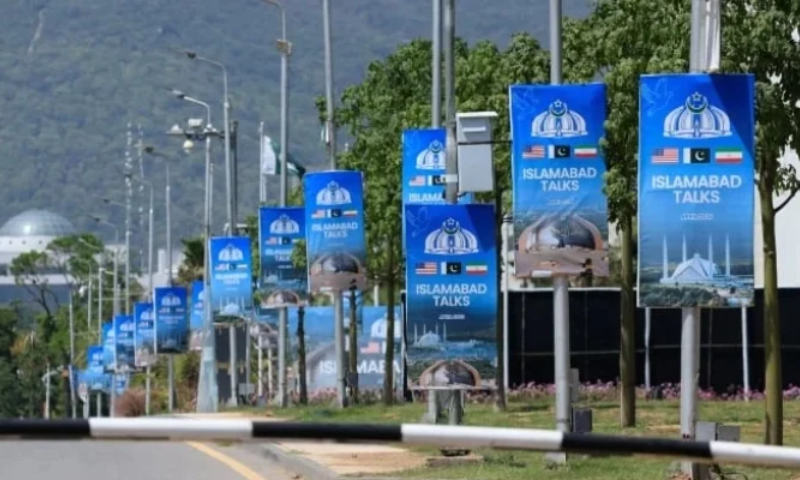
Islamabad, July 5,2026: Islamabad is expected to host a fresh round of technical talks between the United States and Iran on July 14 and 15, government sources said on Sunday.
Sources familiar with the development said the third round of talks would bring together Iranian and American technical experts as part of efforts aimed at securing lasting peace in the Middle East. Pakistan, they added, will participate in the talks in a mediatory role.
Two earlier rounds of technical discussions between Washington and Tehran were held in Bürgenstock and Doha.
According to the sources, the upcoming round is expected to focus on key issues including US sanctions on Iran, the release of Iranian frozen assets, and the Iranian nuclear file. The level of representation in the Iranian delegation, they said, will be decided after the funeral of late Iranian Supreme Leader Ayatollah Ali Khamenei.
Sources briefed on the Doha talks said negotiators from both sides spent two days discussing maritime traffic in the Strait of Hormuz and the unfreezing of Iranian funds — two critical issues under the initial understanding reached between the parties.
Qatar’s Foreign Ministry had earlier said the Doha discussions resulted in “positive progress” on issues related to the memorandum that halted the war in June and were “building on the outcomes” of a summit held in Switzerland.
In June, Washington and Tehran agreed to a memorandum of understanding brokered by Pakistan and Qatar. The understanding included a 60-day ceasefire that paused the conflict triggered by US-Israeli strikes in late February, as well as the reopening of the blockaded Strait of Hormuz.
The 14-point agreement also laid out a timeline for further negotiations aimed at permanently ending the conflict and addressing broader issues, including arrangements for the Strait of Hormuz, reconstruction funding for Iran, and the future of the country’s nuclear programme.
Following indirect talks in Doha, US President Donald Trump, along with mediators Pakistan and Qatar, signalled that diplomatic efforts remained on track.
“Qatari and Pakistani mediators concluded separate meetings with the US and Iranian negotiators in Doha, with positive progress made,” the two mediating countries had said in a joint statement after the talks.
At the conclusion of the Doha discussions, Iran’s Deputy Foreign Minister Kazem Gharibabadi, who led Tehran’s delegation, said both sides had agreed to establish a communications channel to report and document alleged violations of the memorandum.
He said the talks also covered frozen Iranian assets, the release of which Tehran has demanded as part of any broader settlement. According to Gharibabadi, officials reviewed the use of part of an initial $6 billion package and agreed that essential goods required by Iran would be purchased and made available.
The conflict, which began on February 28 after coordinated US-Israeli strikes on Iranian targets, has reportedly killed more than 2,000 people and further destabilised the region. Iran’s leadership, including Supreme Leader Ayatollah Ali Khamenei and senior civil and military officials, was killed in the initial attack, according to the account provided by the sources.
Iran later responded with retaliatory measures, including disruption of shipping through the Strait of Hormuz and attacks on US and Israeli interests.