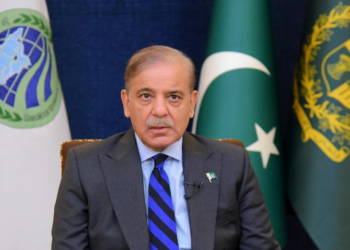
Islamabad, July 5,2026: Former prime minister and Chairman Senate Yousaf Raza Gillani on Saturday termed July 5, 1977 a “dark day” in the country’s history, saying it marked the unlawful overthrow of the constitutional and democratic government of the country’s first elected prime minister, Zulfikar Ali Bhutto.
In a special message issued on the occasion, Gillani said the day would always be remembered as Yaum-e-Siyah in Pakistan’s political history, as it represented an attack not only on an elected government but also on the Constitution, the federation and democratic institutions of the country.
He said the unconstitutional step taken on July 5 was not merely the end of a government, but a fatal blow to the Constitution and the democratic order of Pakistan. Gillani noted that Zulfikar Ali Bhutto had given the country the consensus 1973 Constitution, which he described as the ultimate guarantee for Pakistan’s survival and security, adding that its suspension pushed the nation into the darkness of dictatorship.
Paying tribute to the sacrifices of Quaid-i-Awam Zulfikar Ali Bhutto and Benazir Bhutto, Gillani said both leaders rendered historic services for democracy and the rights of the people. He added that the leadership and workers of the Pakistan Peoples Party had endured floggings, imprisonment and even laid down their lives for the restoration and continuity of democracy in the country.
Reaffirming his commitment to democratic values, Gillani said the supremacy of Parliament, the sovereignty of the Constitution and the sanctity of the people’s vote could never be compromised.
“Those who launched a midnight assault on democracy have faded into the oblivion of history, while the name and philosophy of Zulfikar Ali Bhutto continue to live in the hearts of millions,” he said.
The Senate chairman said Pakistan’s stability and progress depended on a strong Parliament and uninterrupted democratic continuity, adding that the Senate of Pakistan would continue to play its role in strengthening the federation and upholding constitutional supremacy.