Tehran/Washington, July 30, 2026: The conflict between the United States and Iran intensified sharply on Thursday as both sides exchanged fresh military strikes, while the fighting expanded across the Gulf and raised new concerns over regional security, global energy supplies and maritime trade.
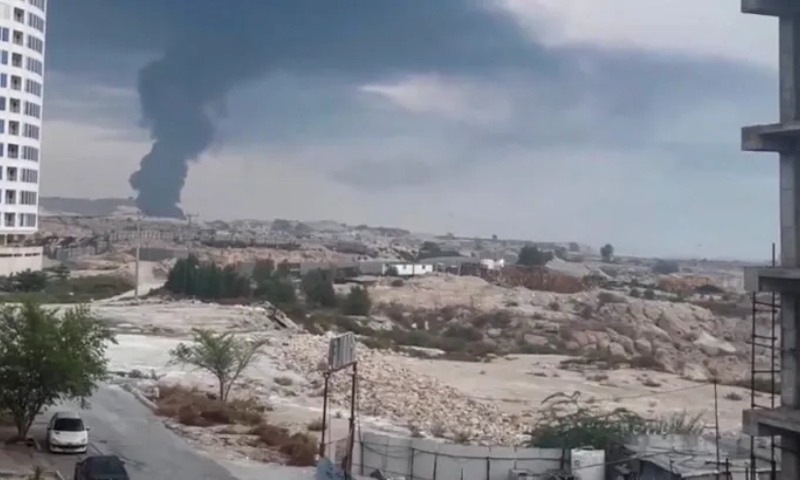
The United States launched another wave of air strikes on Iranian targets overnight, describing the operation as a response to Iran’s missile attacks on American forces stationed in the Middle East. Iranian authorities reported that multiple locations in Bushehr Province, including areas around Bushehr, Jam and Khormoj, were targeted, while earlier strikes on Qeshm Island reportedly killed three members of a family and injured two children.
In retaliation, Iran’s Islamic Revolutionary Guard Corps (IRGC) claimed it had struck Kuwait’s Ali Al Salem Air Base, destroying two drone hangars and a fuel storage facility used by US military aircraft. The IRGC also claimed to have launched ballistic missiles at Jordan’s Al-Azraq Air Base, alleging that three US F-35 fighter jets were destroyed and several others damaged. The claims have not been independently verified.
Jordan’s armed forces confirmed intercepting five Iranian missiles for the fourth consecutive day, saying no casualties or material damage were reported.
The IRGC also announced that two oil tankers attempting to transit through the Strait of Hormuz had turned back after one vessel caught fire, while reiterating that the strategic waterway would remain closed as long as it considered US military activities a threat. Tehran blamed the disruption in international shipping on what it called American and Israeli military aggression and said discussions with Oman over maritime arrangements in the Strait of Hormuz were continuing.
Oil markets remained under pressure as fears over disruptions to global energy supplies persisted. Brent crude prices surged following the latest escalation, while concerns grew over the security of commercial shipping in one of the world’s busiest energy corridors.
The regional conflict also widened after Iran condemned recent joint US-Saudi strikes on targets in Iraq, describing them as a violation of Iraqi sovereignty. Iraqi military officials, however, said there was no evidence that recent attacks against neighbouring countries had originated from Iraqi territory and reaffirmed that only state security forces were authorised to conduct military operations.
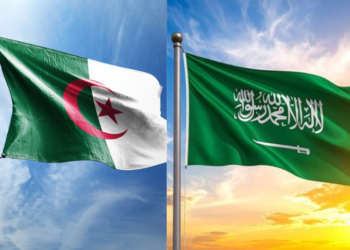
Saudi Arabia and its Gulf allies intensified diplomatic coordination in response to the crisis. The foreign ministers of Saudi Arabia, Kuwait, Qatar and Bahrain discussed regional security and maritime safety, condemning attacks on Saudi oil infrastructure and calling for greater cooperation to prevent further escalation. The United Arab Emirates also denounced drone attacks targeting Saudi oil facilities, describing them as a violation of the Kingdom’s sovereignty.
The United Nations expressed deep concern over the widening conflict. UN Secretary-General António Guterres urged both Washington and Tehran to halt hostilities and return to diplomacy, while acknowledging ongoing mediation efforts led by Pakistan, Qatar and other regional partners.
The European Union also renewed its call for de-escalation. EU foreign policy chief Kaja Kallas held talks with Iranian Foreign Minister Abbas Araghchi, stressing the importance of diplomacy and warning against further military escalation in the Gulf.
China appealed for restraint and called on all parties to safeguard freedom of navigation through international waterways, emphasising the need for dialogue to reduce tensions in the Red Sea and the Gulf region.
The latest military exchanges come despite continuing diplomatic efforts led by Pakistan, Qatar and other regional stakeholders to revive negotiations under the Islamabad Memorandum of Understanding and prevent a broader regional war. However, with fresh missile attacks, expanding military operations and continued disruption to vital shipping routes, prospects for an immediate de-escalation remain uncertain.