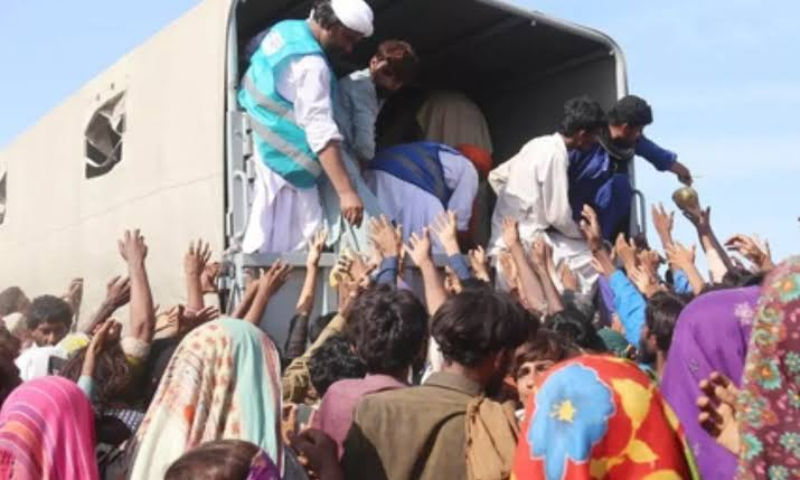
Islamabad, October 15,2026: Pakistan has ranked second-worst in South Asia on the Global Hunger Index (GHI) 2026, behind only Afghanistan, highlighting persistent challenges related to food insecurity and malnutrition.
According to the report published on the GHI website, Pakistan scored 25.5 on the index, placing it in the “serious” hunger category. Afghanistan recorded a score of 28.6, while the regional score for South Asia stood at 23.5. The global score was 18.1.
Despite its regional standing, Pakistan has made progress over the long term, with its GHI score declining from 36.2 in 2000 to 25.5 in 2026, indicating an improvement in the country’s overall hunger indicators.
Pakistan ranked 106th among 122 countries for which sufficient data were available to calculate GHI 2026 scores.
The index measures hunger through four key indicators: undernourishment, child stunting, child wasting and child mortality.
Undernourishment measures the proportion of the population whose calorie intake is insufficient. Child stunting reflects chronic undernutrition among children under five, measured by low height for age, while child wasting indicates acute undernutrition, measured by low weight for height. Child mortality tracks deaths among children before their fifth birthday.
According to the report, 16.1 per cent of Pakistan’s population is undernourished, while 33.6 per cent of children under five suffer from stunting. The proportion of children experiencing wasting stands at 9.8 per cent, while the under-five mortality rate is reported at 5.6 per cent.
The findings come amid concerns over the country’s economic outlook and the potential impact of rising prices on household purchasing power and access to food.
Just days earlier, the International Monetary Fund projected Pakistan’s inflation rate to rise to 9.9 per cent in fiscal year 2026-27, up from 7.1 per cent in 2025-26.
In its World Economic Outlook report released on Tuesday, the IMF forecast the increase in inflation for the current fiscal year, adding to concerns about the affordability of essential goods for vulnerable households.