
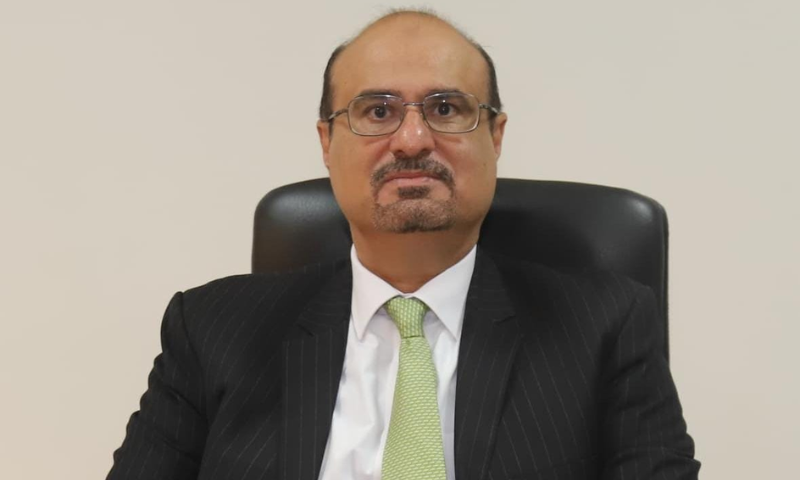
Islamabad, November 7, 2026: Group CEO of GAK HealthCare International and Dr. Akbar Niazi Teaching Hospital, Yasir Khan Niazi, has called for comprehensive reforms in Pakistan’s healthcare and medical education sectors, saying both industries have significant potential to improve public welfare, attract foreign exchange and contribute to sustainable economic growth
Speaking to members of the Governing Body of the Islamabad Press Club, Niazi stressed the need for standardised healthcare services, affordable medical education and sustainable financing through practical policy reforms, institutional collaboration and stronger public-private partnerships.
Appreciating the government’s efforts to expand universal health coverage through insurance programmes, he observed that households continued to bear a substantial share of healthcare costs. Citing World Health Organization data published through the World Bank, he said out-of-pocket payments accounted for 53 per cent of Pakistan’s current health expenditure in 2023, highlighting the need to strengthen financial protection for patients.
He identified limited outpatient department (OPD) coverage as a major gap in existing health insurance arrangements, noting that patients frequently require consultations, diagnostic tests, medicines and follow-up care without hospitalisation.
Niazi called for extending insurance coverage beyond inpatient treatment to include OPD services, preventive healthcare and early diagnosis. He said broader coverage would ease the financial burden on households and encourage people to seek timely medical attention.
Discussing medical education, he expressed concern over rising tuition costs and the growing number of Pakistani students travelling abroad to pursue medical degrees, resulting in additional financial pressure on families and foreign exchange outflows.
He also highlighted the need to ensure consistent educational standards and international recognition of medical qualifications, calling for more affordable quality education, stronger accreditation mechanisms and greater institutional capacity to retain Pakistani students while attracting international enrolments.
Presenting a broader economic vision, Niazi proposed dedicated healthcare and education export programmes, with medical tourism and international student recruitment as key components.
He said Pakistan could attract foreign patients by improving clinical standards, expanding specialised medical services and establishing effective patient facilitation and international referral systems. Similarly, medical colleges and universities could increase foreign enrolment through internationally competitive academic programmes, robust quality assurance and affordable fee structures.
He emphasised that foreign exchange generated through international patients and overseas students could strengthen the financial sustainability of healthcare and educational institutions. With appropriate policy mechanisms, a portion of these earnings could be used to subsidise treatment for local patients and provide more affordable educational opportunities for Pakistani students.
Niazi also called for stronger collaboration between the public and private sectors to develop practical, investment-friendly policies. He urged policymakers to engage healthcare providers, educational institutions and industry stakeholders in addressing regulatory bottlenecks and establishing consistent standards.
He said regulation should promote quality, accountability and innovation while encouraging responsible private-sector investment rather than creating unnecessary administrative barriers.
During the interaction, Niazi offered to facilitate subsidised healthcare services for journalists and their dependents through GAK HealthCare International.
He also proposed regular health awareness sessions at the Islamabad Press Club focusing on disease prevention, early warning signs and timely medical intervention, alongside periodic medical camps offering screening, diagnostic and treatment facilities.
Concluding his remarks, Niazi said healthcare and medical education should be viewed not only as essential social sectors but also as potential drivers of economic growth and foreign exchange earnings.
He stressed that the ultimate measure of progress would be Pakistan’s ability to provide its people with affordable, quality healthcare and education while developing institutions capable of competing in international markets.