By Shabana Ayaz
In Islam, the hijab is more than just a piece of cloth; it represents a philosophy and lifestyle embodying honor, modesty, respect, and Islamic identity for women. Across cultures, the hijab has been a subject of ongoing debate, viewed both as a religious practice and a societal symbol. In some societies, it is embraced as a personal choice, while in others, it has faced restrictions, sparking discussions on religious freedom. In the Muslim world, Pakistan and Turkey offer distinct experiences regarding the hijab. In Pakistan, it is a deeply rooted religious and cultural tradition, while in Turkey, it symbolizes resistance and transformation. This article explores the perspectives on hijab in both countries, highlighting their differences and the shared value of hijab as an expression of women’s dignity.
Hijab in Pakistan: A tradition of faith and culture
Pakistan’s foundation is closely tied to Islamic values, creating an environment where the hijab can be freely practiced. For generations, Pakistani women have embraced the hijab as a fundamental element of their religious and cultural identity. In Pakistan, the hijab is not only a religious practice but also a cultural tradition symbolizing modesty and women’s honor.
In 2004, the Women’s Wing of Jamaat-e-Islami declared September 5 as Hijab Day in Pakistan. This day was linked to the memory of Marwa El-Sherbini, an Egyptian woman murdered in Germany in 2009 for wearing the hijab. While World Hijab Day is celebrated globally on February 1, Pakistan’s Hijab Day on September 5 is tied to this tragedy, aiming to promote the hijab as a symbol of women’s honor, dignity, and Islamic identity.
Each year, Pakistan hosts seminars, rallies, conferences, and awareness campaigns to emphasize the importance of the hijab. Media outlets contribute through newspaper articles, magazine features, and television programs.
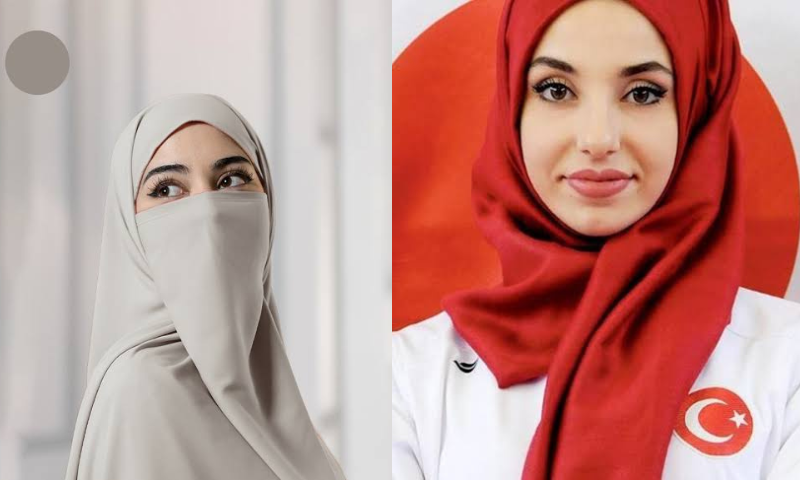
In Pakistani society, the hijab is widely accepted. Although some urban segments influenced by Western culture may view it as traditional, the majority see it as a protector of women’s dignity. From students to doctors, teachers to lawyers, and homemakers, many women wear the hijab with confidence. Some cover only their hair, while others opt for full veiling (niqab or burqa). Regardless of the form, society respects this choice and views it as a reflection of Islamic identity.
Hijab in Turkey: A journey of transformation
Turkey’s experience with the hijab has been shaped by its historical and cultural context. Following the establishment of the Republic, reforms aimed at building a secular state imposed restrictions on religious symbols, including the hijab, in universities and public institutions. These policies created significant barriers for women who chose to wear the hijab, limiting their access to education and employment opportunities.
For instance, university students were required to remove their headscarves to attend classes or take exams, creating significant challenges. In 1999, a female parliamentarian elected while wearing a headscarf was prevented from taking her oath in parliament, highlighting the struggles faced by hijab-wearing women.
Over time, societal and political changes led to the relaxation of these restrictions. In the 2000s, leadership responsive to public demands began lifting these bans. By 2012–2013, regulations were amended, allowing women to wear the hijab in universities, public institutions, and official settings. This transformation marked a significant turning point, enabling women to freely express their religious and cultural identities.
Today, women in Turkey can wear the hijab freely in educational institutions and professional settings. The most common form of hijab is the headscarf, while full-face veiling is not part of cultural practice.
Comparing Pakistan and Turkey
Both countries, with Muslim-majority populations, embrace the hijab, but their journeys have been historically distinct. In Pakistan, the hijab has always been a part of religious and cultural life without facing state-level bans. The declaration of September 4 as Hijab Day reflects Pakistan’s commitment to celebrating the hijab as a symbol of dignity and Islamic identity.
In Türkiye, however, the hijab faced decades of restrictions due to secular policies, requiring women to fight for their right to wear it. The regulatory changes in 2012–2013 became a symbol of women reclaiming their rights.
Statistics reflect these differences: in Pakistan, the majority of women in both rural and urban areas choose to wear the hijab, with most students covering their heads. In Turkey, hijab use is increasing among university students and professional women, with some viewing it as a personal choice rather than a religious obligation.
Hijab: A symbol of identity
The hijab remains a powerful tradition in the Muslim world, representing modesty, honor, and Islamic identity. In Pakistan, it is celebrated annually on September 4 becoming a cornerstone of religious and cultural life. In Türkiye, after years of struggle, it has become a symbol of freedom for women to express their identity.
Despite their differences, both countries share a common thread: the hijab is more than just clothing; it is a reflection of a woman’s dignity, spiritual connection, and personal choice. Transcending political and cultural boundaries, the hijab continues to be a powerful symbol of women’s identity.
Author can be reached at shabanaayazpak@gmail.com