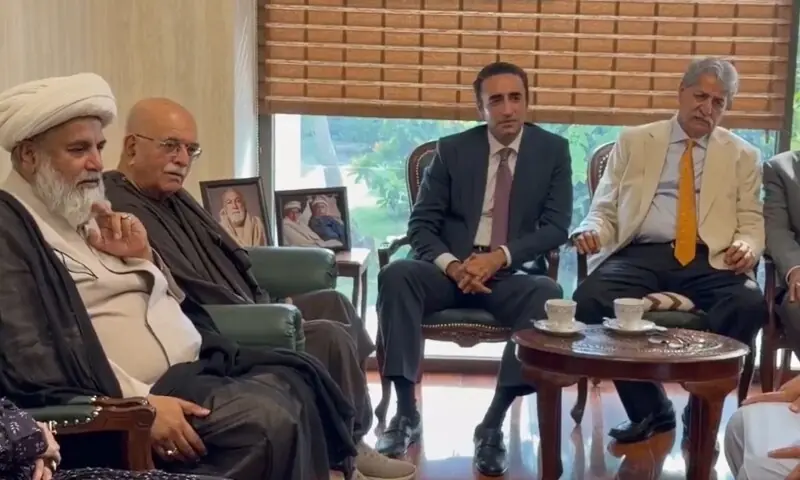
Islamabad, August 19, 2026: The Pakistan Peoples Party (PPP), a key ruling coalition partner, and opposition leaders linked to the Pakistan Tehreek-e-Insaf (PTI) agreed on Wednesday to maintain contact and cooperate on legislative matters in parliament, in a development that could ease the prolonged political deadlock.
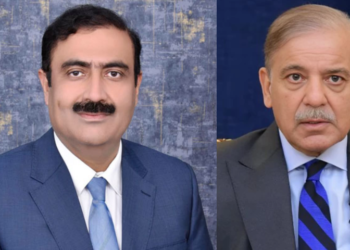
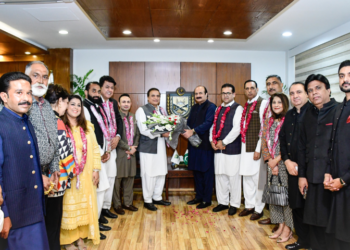
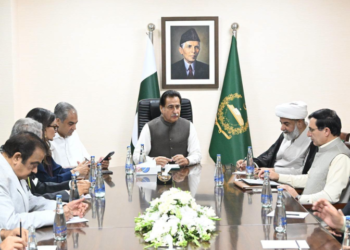
The understanding was reached during a meeting between PPP Chairman Bilawal Bhutto Zardari, National Assembly Opposition Leader Mahmood Khan Achakzai and Senate Opposition Leader Allama Raja Nasir Abbas at the Parliament House.
PTI Secretary General Salman Akram Raja, Tehreek-i-Tahaffuz Ayeen-i-Pakistan Secretary General Asad Qaiser, Vice Chairman Mustafa Nawaz Khokhar and PTI leader Aamir Dogar also attended the meeting. PPP leaders Raja Pervez Ashraf, Sherry Rehman, Naveed Qamar and Nadeem Afzal Chan accompanied Bilawal.
The meeting focused on parliamentary affairs, the political situation and ways to strengthen legislative engagement. Bilawal urged opposition leaders to join parliamentary committees and play an active role in the legislative process.
The opposition leaders said they would consult PTI Chairman Imran Khan before taking a decision on joining the committees, according to the PPP.
Both sides agreed to enhance communication on legislation in parliament, while Bilawal called for opposition participation in electoral reforms aimed at improving transparency in the electoral process.
The PPP chairman also welcomed the Supreme Court’s decision to facilitate Imran Khan’s transfer to hospital for medical assessment and treatment, describing it as a positive development and a democratic tradition.
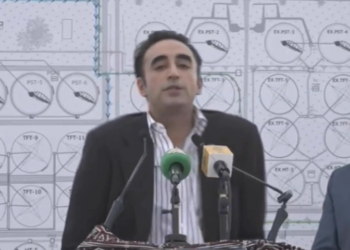
Speaking to the media after the meeting, Bilawal described the engagement as a “good start” and said the PPP wanted parliament to function effectively.
“If we want our parliament to be functional and its institutions or dignitaries to work, then the opposition should review their decision of boycotting the parliamentary process,” he said.
He said he had discussed the possibility of ending the opposition’s boycott of parliamentary proceedings, stressing that both treasury and opposition benches had a responsibility to strengthen parliament.
Bilawal also urged the opposition to participate in electoral reforms, saying that complaints about elections were common among both winning and losing parties.
“When a party wins elections, it celebrates, and when a party loses elections, it complains; we don’t want this,” he said.
He proposed that the government and opposition work together to develop a consensus-based reform agenda, with electoral reforms serving as an initial area of cooperation.
According to Bilawal, the meeting helped reduce the “communication gap” between the PPP and opposition and opened discussions on several issues, particularly what he described as “low-hanging fruits” such as electoral reforms.
Asked about reports concerning a possible 28th Constitutional Amendment, Bilawal said no discussions had taken place between the PPP and PML-N on the matter.
On the question of creating new provinces, he said the PPP would respect the public’s decision and would not support any move imposed by force.
“The PPP will stand with the public’s opinion, and whatever decision is taken with mutual understanding, the party will support it. We will never accept anything by force,” he said.
The meeting followed reports that the PPP had reached out to the opposition alliance seeking cooperation and was planning to engage directly with its parliamentary leadership.