Islamabad, August 27, 2026: The Capital Development Authority (CDA) has decided to introduce a comprehensive micro-planning and field-monitoring system for waste management and sanitation services in Islamabad, aimed at improving efficiency, accountability and service delivery.
Under the proposed system, the deployment, contact details, assigned areas and responsibilities of sanitation workers and supervisors will be documented so that every street, market and locality has clearly identified personnel responsible for maintaining cleanliness.
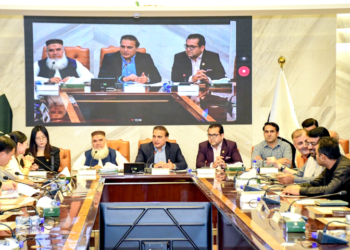
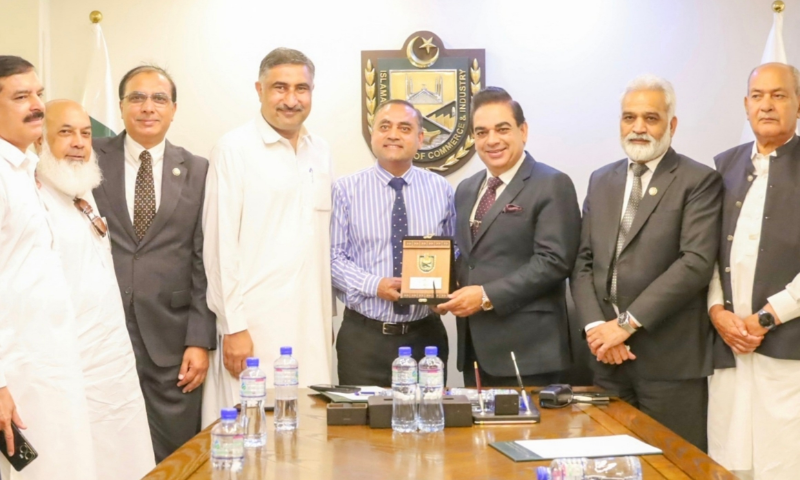
The initiative was discussed during an interactive session at the Islamabad Chamber of Commerce and Industry (ICCI), attended by CDA Director Sanitation Malik Atta and Deputy Director Sanitation Atta Bari Arshad, along with ICCI President Sardar Tahir Mehmood, Senior Vice President Tahir Ayub, Vice President Irfan Chaudhry, representatives of various trade associations and ICCI members.
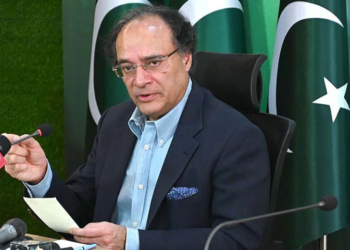
Speaking at the session, Malik Atta said sustainable improvement in Islamabad’s sanitation system required collective efforts and close coordination among the CDA, ICCI, trade associations and other stakeholders.
He said every stakeholder had a role to play and civic problems could not be effectively addressed without coordinated efforts by all relevant institutions.
The CDA director said the micro-planning mechanism would enable the authority to identify the sanitation worker and supervisor responsible for every particular area, making field operations more efficient while strengthening monitoring and accountability.
He said the CDA would also improve the management of waste trolleys and collection points, with greater emphasis on their proper placement, maintenance, monitoring and certification.
The authority was also coordinating with the Rawalpindi administration and other relevant officials to strengthen the waste-disposal chain, he added.
ICCI President Sardar Tahir Mehmood said the business community was ready to work with the CDA to develop practical and sustainable solutions to sanitation, waste management and other civic problems.
He said the purpose of bringing CDA officials, ICCI representatives and trade associations together was to establish direct communication channels through which grassroots-level problems could be conveyed to the relevant authorities without delay.
Mehmood assured that ICCI would continue facilitating interaction between the business community and government institutions and would support initiatives aimed at improving sanitation, waste management and municipal services in the capital.
“The business community wants to be a partner in finding solutions rather than merely raising complaints,” he said.
Senior Vice President ICCI Tahir Ayub highlighted sanitation problems at the Fruit and Vegetable Market in I-11/3, particularly the garbage dumping point, which he said was creating serious nuisance for traders, visitors and surrounding areas.
Vice President ICCI Irfan Chaudhry drew attention to sanitation and civic problems in the Steel Market in I-10 and called for improved waste collection, regular monitoring and better coordination between CDA field staff and market representatives.
ICCI Executive Members Waseem Chaudhry, Zulqurnain Abbasi and Imran Minhas, along with members Akhtar Abbasi, Ismail Khan, Ajab Gul and Syed Nadeem Mansur and representatives of various trade associations, also participated in the session.
They shared observations and proposals concerning sanitation, waste management and other civic issues affecting businesses and residents.
Former ICCI Senior Vice President Khalid Chaudhry moderated the interactive session.