
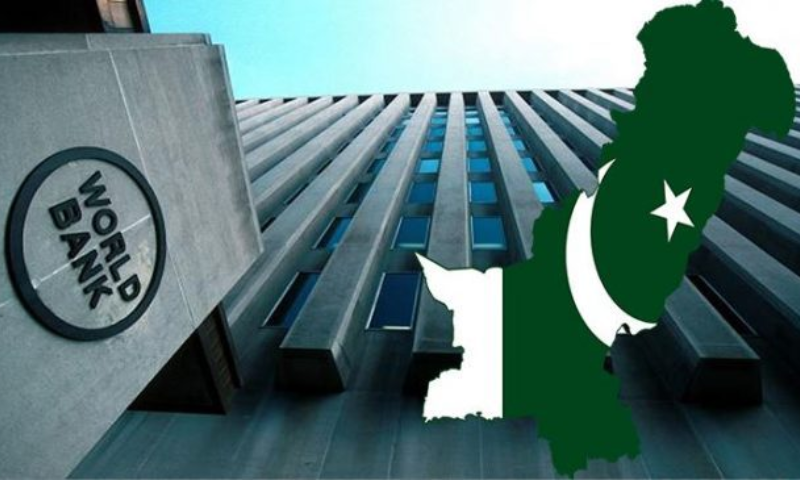
Islamabad, October 22,2026: A prolonged conflict in the Middle East could intensify economic pressures on Pakistan by keeping global energy prices elevated, increasing import costs and putting additional strain on the country’s external financing and foreign exchange reserves, the World Bank has warned.
In its report, Pakistan Development Update: Attaining Escape Velocity, the World Bank identified a longer or more intense conflict as the biggest risk to Pakistan’s near-term macroeconomic outlook.
The conflict, which began on February 28, 2026, when the United States and Israel launched coordinated strikes against Iran, has heightened concerns over global energy supplies and prices. Pakistan remains particularly vulnerable because of its heavy reliance on imported petroleum and gas.
Iran responded with retaliatory attacks against Israel and US assets in the region, escalating tensions across the Middle East. Disruptions to shipping through the Strait of Hormuz, a critical route for global oil and gas supplies, further heightened energy security concerns and pushed international prices upwards.
According to the World Bank, petroleum and gas products accounted for around one-quarter of Pakistan’s total imports in fiscal year 2025, equivalent to 3.7 per cent of gross domestic product (GDP). Gulf Cooperation Council (GCC) countries supplied approximately 80 per cent of these imports.
The report noted that Pakistan’s petroleum import group increased by 9.2 per cent year-on-year during January-June 2026, while the import bill for crude petroleum surged by 46.4 per cent over the same period.
By the end of June 2026, oil and liquefied natural gas (LNG) prices had risen significantly compared with pre-conflict levels, adding to the pressure on the country’s import bill.
The World Bank cautioned that a longer or more intense conflict could keep energy prices high, widen Pakistan’s current account deficit and place further pressure on foreign exchange reserves.
Disruptions to trade routes and weaker external demand for exports could also weigh on economic activity, while rising energy and production costs could fuel inflation and erode household purchasing power.
El Niño poses additional risks to economic growth
Separately, the World Bank warned that a stronger-than-expected El Niño could threaten Pakistan’s agricultural production and economic growth.
El Niño is a climate phenomenon characterised by periodic warming of sea-surface temperatures in the central and eastern tropical Pacific Ocean. It can alter weather patterns worldwide, increasing the risk of droughts, heatwaves or excessive rainfall in different regions.
The World Bank’s baseline projection puts Pakistan’s real GDP growth at 3.8 per cent in fiscal year 2027.
However, the report outlined a conditional scenario in which zero growth in crop output could reduce economic growth by 0.2 percentage points, bringing it down to 3.6 per cent. The estimate represents a risk scenario rather than the bank’s baseline forecast.
The report added that Pakistan’s existing external financial buffers could help absorb additional import requirements arising from an agricultural shock. However, meeting those requirements could significantly deplete the country’s foreign exchange reserves.
The World Bank’s assessment highlights the dual risks facing Pakistan’s economic recovery: external shocks stemming from geopolitical tensions and domestic vulnerabilities arising from climate-related disruptions to agricultural output.