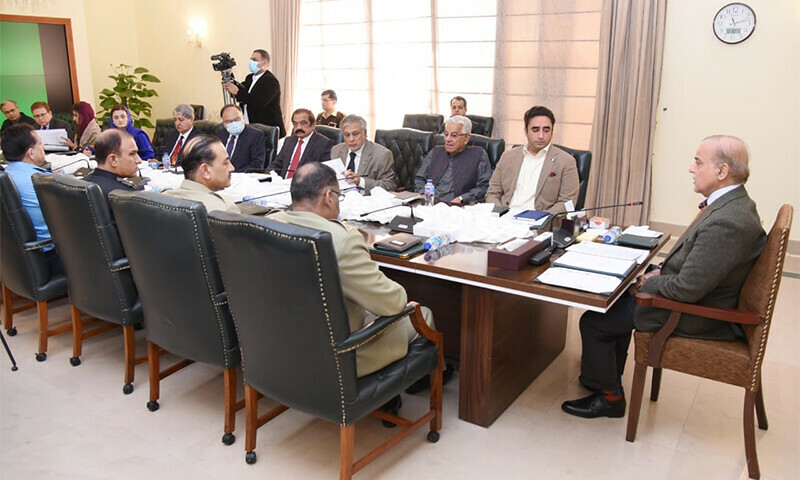
Islamabad, June 22, 2025: Prime Minister Shehbaz Sharif has summoned a crucial meeting of the National Security Committee (NSC) to be held tomorrow at 12 PM at the Prime Minister’s House, as tensions escalate in the Middle East following U.S. strikes on Iranian nuclear sites.
According to official sources, the high-level meeting will be attended by Pakistan’s top civil and military leadership, including Field Marshal Asim Munir, who is expected to brief participants on his recent visit to the United States. Senior cabinet members — including the Defence Minister, Interior Minister, Deputy Prime Minister, and Finance Minister — will also participate in the deliberations.
The agenda of the NSC session includes a detailed review of the regional situation in light of the intensifying Iran-Israel-U.S. conflict. Key decisions are expected on Pakistan’s stance and possible diplomatic or strategic responses, particularly regarding Islamabad’s support for Iran and broader regional security.
The internal security and border management situation will also be thoroughly discussed, amid concerns over potential spillover effects from the escalating confrontation in the Gulf.
This development follows a telephone conversation earlier in the day between PM Shehbaz and Iranian President Masoud Pezeshkian, during which the Pakistani leader strongly condemned the U.S. airstrikes that targeted Iranian nuclear facilities under IAEA safeguards. Terming the strikes a grave violation of international law and the IAEA Statute, Shehbaz reaffirmed Pakistan’s unwavering solidarity with the Iranian people and government.
“The right to self-defence is enshrined under Article 51 of the UN Charter,” PM Shehbaz noted, while urging all parties to immediately return to dialogue and diplomacy as the only viable path forward. He also called for urgent, collective efforts to de-escalate the crisis and reiterated Pakistan’s willingness to play a constructive role in promoting peace.
The upcoming NSC meeting is expected to shape Pakistan’s strategic posture amid one of the most serious regional crises in recent years, as global leaders scramble to prevent further escalation.