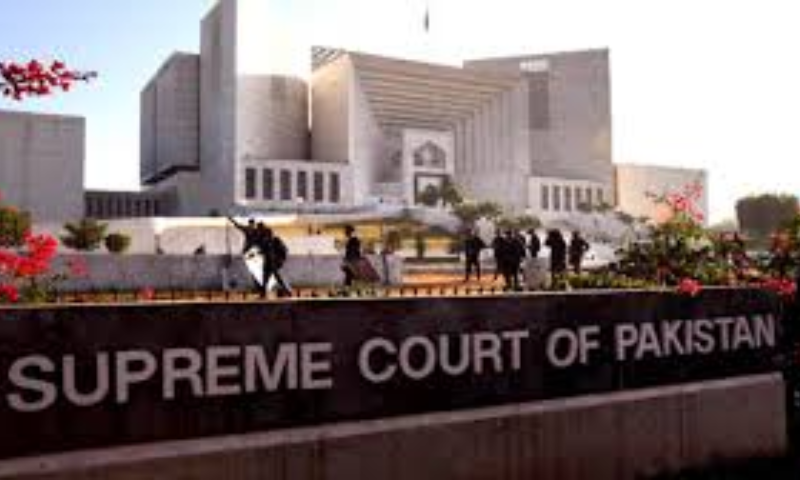
Islamabad, July 3, 2025 – The Supreme Court of Pakistan has issued a scathing critique of the country’s criminal justice system, warning that its failure to deliver timely and fair justice is fueling corruption, strengthening authoritarianism, and eroding public trust.
In a landmark judgment authored by Justice Athar Minallah, the apex court commuted the death sentence of a man imprisoned for more than 25 years, citing serious flaws in the handling of his case and the broader systemic dysfunction of the justice system.
“A weak and compromised criminal justice system undermines the rule of law and enables the powerful and privileged to escape accountability,” the judgment stated. “Justice that is delayed, politically influenced, or corrupted is not justice at all.”
The ruling emphasized that access to a fair, impartial, and efficient criminal justice process is a constitutional right, and it is the responsibility of all state institutions — the judiciary, executive, and legislature — to fix a system that has long failed the people.
The appellant, convicted in a 1991 murder case, was sentenced to death in 2008. Although his appeal was filed on time, the High Court took six years to decide the case, and the Supreme Court did not schedule a hearing until 2021 — seven years after the petition was filed. A final verdict was delivered in 2025, nearly 17 years after sentencing.
“This kind of delay is inexcusable and inhumane,” the court observed, adding that the condemned man languished in a death cell for over two decades through no fault of his own.
The court also noted several mitigating factors: the convict was a first-time offender, a young man at the time of the incident, and likely acting under the influence of his father. Doubts also surrounded the evidence, particularly the recovery of the alleged murder weapon.
The judgment condemned the “unauthorized punishment” inflicted by the justice system — lengthy incarceration in substandard prison conditions, emotional suffering, and denial of basic legal rights.
“Inordinate delays, overcrowded prisons, and inhuman treatment turn judicial punishment into something far harsher than intended by law,” the court stated. “Such treatment cannot be justified, legalized, or ignored.”
The court stressed that the real burden of this broken system falls on the poor and marginalized, who lack the resources to defend themselves and are often left voiceless in a system that favors the elite.
Justice Minallah called for a complete overhaul of the criminal justice system, urging faster appellate processes with strict timelines, legislative reform to modernize outdated laws, executive accountability to ensure humane prison conditions and judicial oversight to prevent further miscarriages of justice.
“The justice system must serve the people — not oppress them,” the court declared. “A system that alienates citizens and protects privilege is not only unconstitutional but dangerous for democracy.”
This ruling is being seen as a powerful indictment of Pakistan’s legal machinery and a call to action for state institutions to restore justice, accountability, and public confidence.