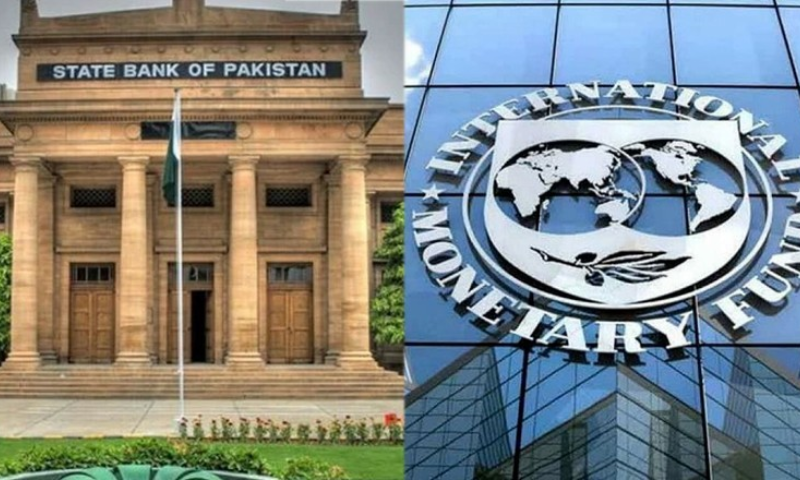
Karachi, July 3, 2025: Pakistan has exceeded the International Monetary Fund’s (IMF) target for foreign exchange reserves, as the State Bank of Pakistan (SBP) reported a sharp rise of $5.12 billion, taking the total to $14.51 billion as of June 30 — the close of Fiscal Year 2024–25 (FY25).
The figure surpasses the IMF’s set benchmark of $13.9 billion, reflecting improved external sector management and inflows.
Last year, on June 30, 2024, the SBP’s reserves stood at $9.39 billion. The $5 billion increase over the past year signals a significant turnaround driven by a better current account position and the inflow of planned external financing.
Although the SBP did not elaborate on the jump in reserves, earlier disclosures revealed that the country secured $3.1 billion in commercial loans while over $500 million came from multilateral institutions.
Furthermore, China played a key role in stabilizing reserves as it rolled over $3.4 billion in loans, including refinancing a $1.3 billion commercial loan repaid earlier by Islamabad while another $2.1 billion, already parked with the SBP for three years, was also extended.
This boost came after a sharp dip in mid-June when reserves dropped by $2.66 billion, one of the largest weekly declines on record due to external debt repayments.
“With reserves now at $14.5 billion, Pakistan has comfortably met the IMF’s end-June requirement of $13.9 billion,” said Awais Ashraf, Director of Research at AKD Securities Limited. He noted this was the highest weekly increase recorded to date.
Ashraf added that the current reserve level offers 2.5 months of import cover, a significant improvement from the crisis period two years ago. He projected that reserves could climb to $17 billion by June 2026, supported by rising remittances and lower interest obligations.
In 2023, Pakistan faced a severe balance of payments crisis, with reserves dipping to alarmingly low levels — barely enough to cover one month of imports. To avoid default, the government signed a $3 billion IMF standby arrangement, tightened import controls, and adopted a flexible exchange rate regime.
Commenting on the recovery, Topline Securities CEO Mohammad Sohail said the surge in reserves was a result of improved external financing, remittances, export performance, and disciplined macroeconomic policies under IMF guidance.
The SBP also actively built reserves by purchasing dollars from the market. From June 2024 to March 2025, it bought $6.8 billion from the interbank market, reflecting healthier foreign exchange availability in the system.