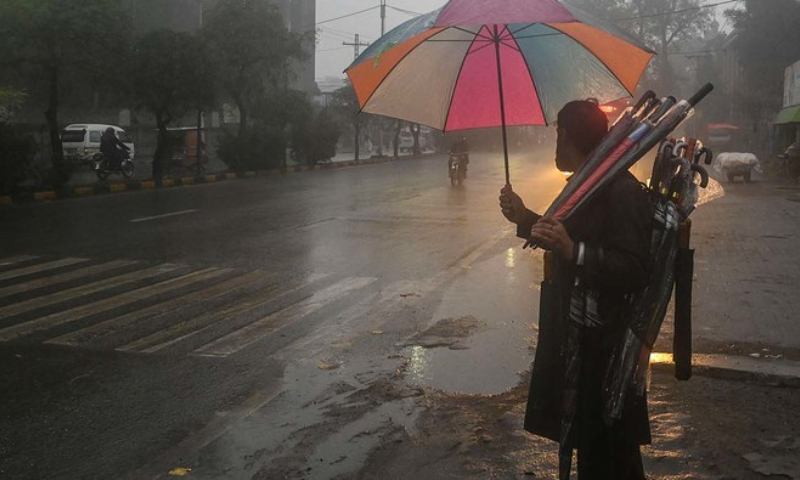
Islamabad, July 19, 2025: Relentless monsoon rains have wreaked havoc across Pakistan, claiming at least 202 lives, including 96 children, since the season began in late June, the National Disaster Management Authority (NDMA) reported on Saturday.
The toll highlights the growing human cost of extreme weather events, with Punjab bearing the brunt—recording 123 fatalities. Khyber Pakhtunkhwa followed with 40 deaths, while Sindh reported 21, Balochistan 16, and one each from Islamabad and Azad Jammu and Kashmir.
The causes of death are varied: 118 people were killed when homes collapsed, while others died in flash floods, electrocutions, drowning, lightning strikes, and landslides. More than 560 people have been injured, including 182 children, as the rains continue to pound vulnerable communities.
In Rawalpindi, flash floods surged through neighborhoods like Dhamial, Hathi Chowk, and Morgah, submerging homes, shops, and streets. In Tench Bhata and Fauji Colony, rising waters reached rooftops, forcing families to flee with little more than the clothes on their backs. Among the victims was eight-year-old Hasan Ali, whose father spoke of the family’s anguish over his sudden death.
Faisalabad has also suffered widespread destruction, with 11 deaths and 60 injuries reported in just two days. Most casualties occurred when aging structures collapsed under the weight of persistent rainfall. Many families said they were unable to repair their homes in time due to financial constraints.
In Chakwal, more than 450 mm of rainfall triggered landslides and swept away at least 32 roads, severing vital links to surrounding areas. In nearby Khewal, house collapses claimed multiple lives, including a father and son. Power outages and communication breakdowns persist in several parts of the district.
Rescue and recovery operations are ongoing. On directives from the Punjab Chief Minister, heavy machinery has been deployed to reopen roads in Jhelum, Pind Dadan Khan, Kallar Kahar, and adjacent areas. In Rawalpindi’s Karoli Dhoke Bridge, a rain-damaged road section has been temporarily repaired to restore traffic flow.
The NDMA continues to coordinate relief efforts with provincial disaster authorities, but the scale of devastation has laid bare the country’s deep vulnerability to climate-induced disasters.
As monsoon activity is expected to continue in the coming days, authorities have urged citizens in low-lying and landslide-prone areas to remain on high alert.