Islamabad/New Delhi, July 19, 2025: As concerns mount over possible flash floods across the region, Pakistan has formally urged India to fulfill its obligations under the Indus Waters Treaty (IWT) by providing timely flood alerts and notifications of abnormal water discharges.
Pakistani officials said that India has remained unresponsive to repeated requests, violating the critical clause in the treaty that mandates prior warnings of unusual water releases from dams and reservoirs.
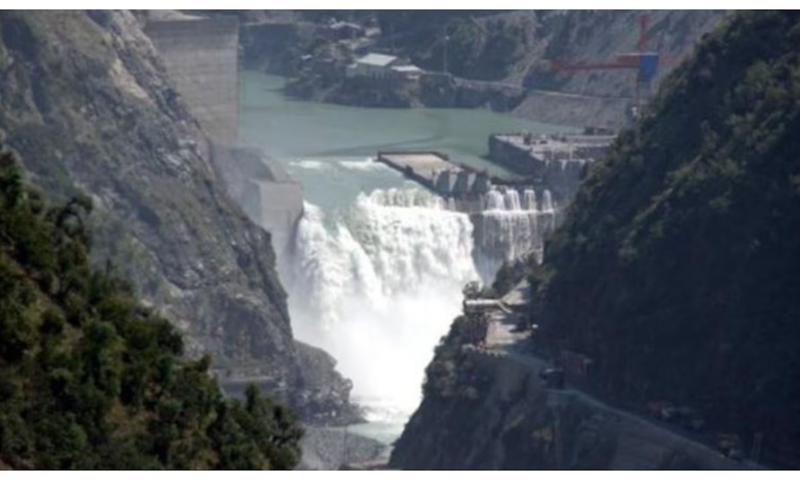
“Unusual rainfall in the lower basins of eastern rivers—particularly downstream from Indian dams—can trigger sudden and destructive flooding in Pakistan,” said an official source. “Advance notification isn’t just a procedural formality; it’s essential for disaster preparedness and saving lives.”
Under the 1960 Indus Waters Treaty, India is legally bound to notify Pakistan in advance of any significant floodwater releases that could impact shared river systems, including the Chenab, Ravi, and Sutlej. However, Pakistan claims that no formal communication has been received despite ongoing rainfall and rising river levels.
Authorities in Islamabad say they are relying on satellite monitoring and ground reports to track water flows but emphasized that real-time data from India is vital for issuing timely alerts and protecting downstream communities.
“India’s silence is deeply concerning,” a senior government official said. “Failure to communicate in accordance with the treaty increases the risk of casualties and damage on our side.”
On Thursday, Defence Minister Khawaja Asif reiterated Pakistan’s stance, warning India to heed the “lesson of May 10” and uphold the treaty’s provisions. He added that any further provocation would be met with diplomatic resistance.
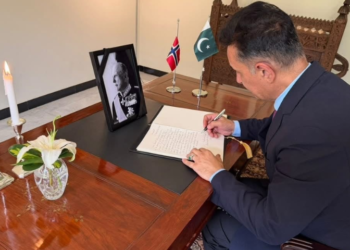
At the 25th session of the OIC Independent Permanent Human Rights Commission in Jeddah, Pakistan’s Permanent Representative to the OIC, Syed Fawad Sher, raised the issue of India’s alleged non-compliance with the IWT. Speaking at a session on “The Right to Water”, Sher highlighted the legal, moral, and environmental implications of India’s actions.
“India’s threats to suspend or undermine the treaty only exacerbate regional climate vulnerabilities,” Sher stated. “The right to water is fundamental—especially for Pakistan, which is already water-stressed.”
Sher also emphasized that OIC member states and global observers have voiced concern over New Delhi’s unilateral approach, and Pakistan will continue to raise the issue at international forums to safeguard its water security and uphold the treaty.