Lahore, September 7, 2025: Punjab’s flood-hit districts are facing a worsening public health emergency, as outbreaks of waterborne and vector-borne diseases compound the devastation of record monsoon floods.
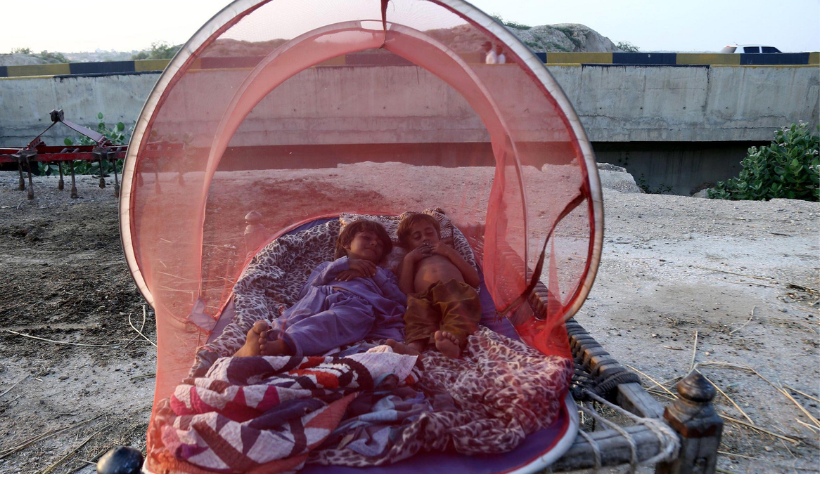
Despite government claims of smooth relief operations, ground reports reveal overwhelmed medical camps, critical drug shortages, and villages still cut off from aid. Displaced families now battle not only submerged homes and lost harvests but also diarrhoea, malaria, dengue, and skin infections spreading in overcrowded camps.
“We are treating dozens of patients in tents with barely enough medicines. The official figures don’t reflect the crisis here,” said a health worker in Narowal.
Floods since late August have displaced more than two million people, swamped 2,000 villages, and destroyed thousands of acres of rice, cotton, and sugarcane. Authorities say 1.9 million people have been rescued, over 1,000 relief camps established, and mobile health units deployed. Yet residents in Hafizabad, Kasur, and other districts complain of irregular medical support and no reliable access to clean water.
Health department data shows over 15,400 cases of flood-related diseases reported in the past month. Lahore alone saw more than 9,000 patients in the last 24 hours. Dengue cases this year have reached 310, including 79 in the provincial capital. Authorities have also confirmed 99 snakebites and 167 dog-bite cases since the floods began.
The World Health Organization (WHO) has warned of a looming epidemic unless clean water, sanitation, and uninterrupted medical supplies are ensured. Aid groups confirm that stagnant water around camps is turning into mosquito breeding grounds, heightening the risk of cholera and dysentery.
Punjab Health Minister Khawaja Imran Nazir maintains the province is prepared, citing 24-hour emergency teams and “Clinics on Wheels.” Chief Minister Maryam Nawaz Sharif is said to be personally supervising the relief effort with army support.
But experts argue the response came too late. “The government knew heavy rains were predicted, yet flood defences and health systems were left unstrengthened. Now preventable diseases are spreading unchecked,” said an environmental analyst in Lahore.
Meteorological officials report that Punjab received 26% more rainfall this monsoon compared to last year, with climate change amplifying both flood intensity and health risks.
As waters stagnate and infection numbers climb, the gap between official assurances and survivor testimonies widens. For those stranded in Punjab’s flood zones, the unfolding health crisis is proving just as destructive as the floods themselves.