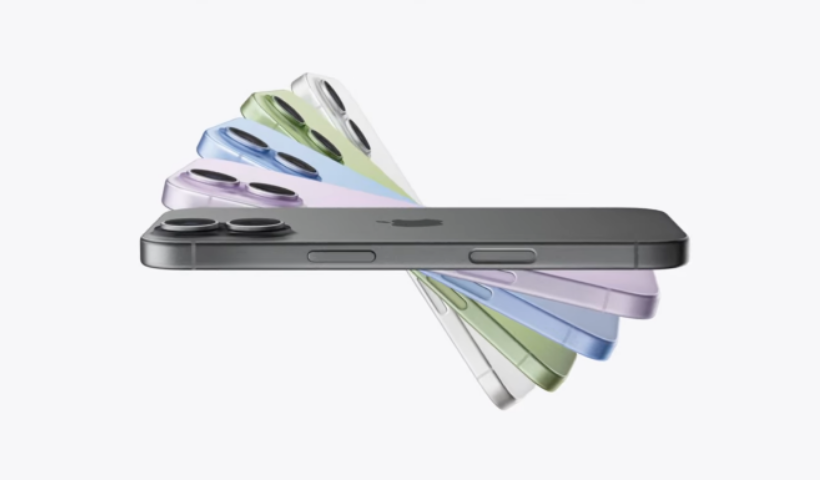
Cupertino, September 10, 2025: Apple has unveiled its iPhone 17 lineup, headlined by the iPhone 17 Air, the company’s thinnest smartphone ever, as it seeks to reinvigorate sales while navigating geopolitical and technological headwinds.
The launch comes as Apple faces mounting pressures: U.S. authorities are urging the company to cut reliance on Chinese manufacturing, President Donald Trump’s tariff policies are raising production costs, and investors remain skeptical of Apple’s readiness for the generative AI era. Apple shares have fallen more than 3% since Republicans returned to power in January.
At the launch event, CEO Tim Cook hailed the $999 iPhone 17 Air as “a total game changer.” Measuring just 5.6mm thick — slimmer than a quarter inch — the device is powered by the A19 Pro chip, Apple’s most advanced processor to date, and offers up to 40 hours of video playback. The Air joins the broader lineup, including the flagship iPhone 17 Pro, Apple’s most expensive and high-performance model.
While all new iPhones integrate Apple’s “Apple Intelligence” AI suite, the company made no major announcements about expanding AI features beyond incremental updates. Analysts say Apple risks falling behind rivals. “The event shows Apple sidestepping the heart of the AI arms race while positioning itself as a long-term innovator on the hardware front,” said Emarketer’s Gadjo Sevilla.
Apple has struggled to gain traction with “Apple Intelligence” since its launch late last year, particularly with a still-limited Siri, though reports suggest the company is planning a major Siri overhaul and AI-powered search features in 2026, possibly in partnership with Google.
Industry analysts see the iPhone Air as a strategic shift, positioning design — rather than screen size — as the new premium feature. The ultra-slim build could also set the stage for Apple’s long-rumored foldable iPhone, expected as soon as next year.
But the engineering leap comes with trade-offs: higher production costs, tighter battery space, and added tariff pressures. Apple claims a 24-hour battery life for the Air, while keeping prices unchanged from last year’s models despite rising costs. Tariffs already cost Apple $800 million last quarter, with another $1.1 billion hit expected this quarter.
Investor response was cautious, with Apple’s stock slipping 1.4% after pricing details were announced.
Alongside the iPhone 17 series, Apple introduced:
- AirPods Pro 3, with upgraded noise cancellation and real-time translation.
- Apple Watch Series 11, offering 5G connectivity, improved battery life, and heart health monitoring features (pending regulatory approval).
Forrester analyst Thomas Husson said Apple’s challenge lies ahead: “To truly differentiate, Apple will need to crack AI as a new contextual user interface. That won’t happen until next year at best — if not by the iPhone’s 20th anniversary in 2027.”