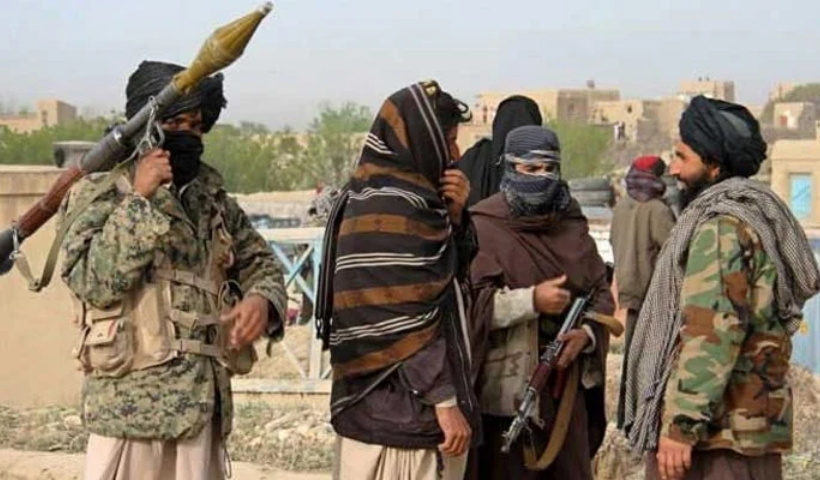
Islamabad, September 11, 2025: Pakistan’s counter-terrorism efforts are being undermined by internal political divisions, particularly policy rifts between the federal government and the Pakistan Tehreek-e-Insaf (PTI)-led Khyber Pakhtunkhwa (KP) administration, according to a report published by The Diplomat, a US-based publication focusing on Indo-Pacific politics and security.
The report said the lack of a unified strategy has complicated the fight against militancy, which has surged since the Taliban takeover of Afghanistan in 2021, especially in the border provinces of KP and Balochistan.
Highlighting differences in approach, the report noted that Pakistan’s counter-terrorism strategy has historically swung between military action and dialogue. During former prime minister Imran Khan’s tenure (2018–2022), the PTI pursued a negotiation-heavy policy with the banned Tehreek-e-Taliban Pakistan (TTP), including the resettlement of thousands of militants inside Pakistan under rehabilitation programs.
While this was framed as a pragmatic step to reduce violence, critics argued it was also an attempt by KP-based political forces to win the Afghan Taliban’s goodwill. “The policy backfired as it only emboldened militants who returned to Pakistan and created space for cross-border infiltrations,” the report said.
According to The Diplomat, Islamabad has since abandoned appeasement. The current Pakistan Muslim League-Nawaz (PML-N)-led coalition and state institutions have categorically ruled out talks with the TTP. However, in KP, the PTI-led provincial government has not fully embraced this no-dialogue stance, creating a disconnect in the national security approach.
The publication concluded that unless political leadership closes ranks on a comprehensive counter-terrorism strategy, Pakistan’s internal divisions will continue to hinder efforts to contain the escalating militant threat.