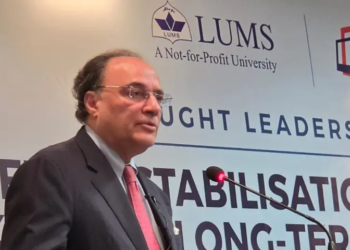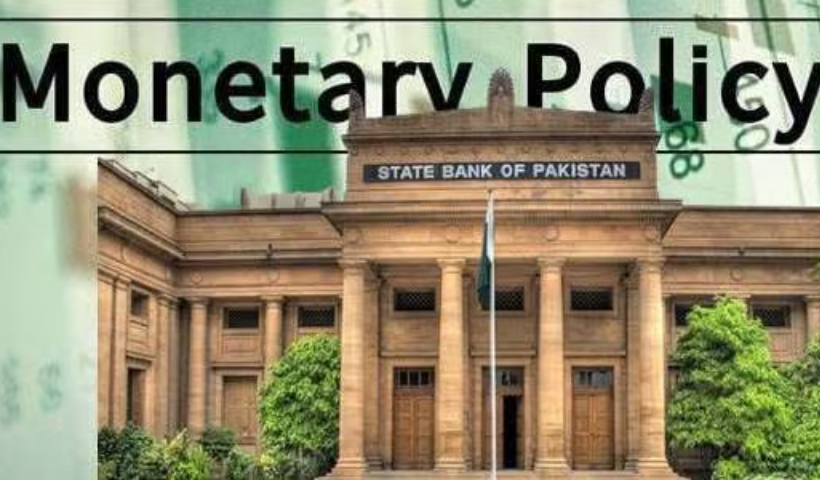
Karachi, September 15, 2025: The State Bank of Pakistan (SBP) on Monday kept its benchmark policy rate unchanged at 11 percent, marking the third consecutive Monetary Policy Committee (MPC) meeting where policymakers paused monetary easing.
The decision was widely expected, with 13 of 14 analysts in a Reuters poll forecasting a hold, as the central bank weighed flood-driven inflation risks against a fragile economic recovery.
“This temporary yet significant flood-induced supply shock, particularly to the crop sector, may push up headline inflation and the current account deficit from earlier expectations in FY26,” the SBP said in a statement. It added, however, that the economy is on a “significantly stronger footing” to absorb the impact compared with previous flood disasters.
Since late June, devastating floods have swept through Punjab’s farmlands, displacing 4.5 million people and disrupting supply chains. Authorities estimate nearly 950 deaths, the loss of 6,500 livestock, destruction of 8,200 homes, and widespread crop damage, raising fears of food inflation.
Analysts warned that losses in wheat, rice, and vegetables could keep inflation above the central bank’s 5–7% target. Wheat prices alone have surged about 50% over the past month. “Food inflation could face temporary shocks,” said Saad Hanif of Ismail Iqbal Securities.
While consumer inflation eased to 3% in August from 4.1% in July, the finance ministry cautioned that crop losses and extreme weather could soon reverse the trend. “Manufacturers have also raised selling prices, citing higher fuel and transport costs and delays in input deliveries caused by flooding,” said Ahmad Mobeen, senior economist at S&P Global Market Intelligence.
The SBP has slashed rates by 1,100 basis points since June 2024, when they stood at a record 22% after inflation peaked near 40% in 2023. The last cut came in May, while rates were held steady in June amid oil price concerns linked to Middle East tensions.
Some analysts still see space for monetary easing. “Real interest rates are high enough to allow a cut, especially with the Fed turning dovish, but the floods are inflationary, particularly for food,” said independent analyst Ammar Habib.