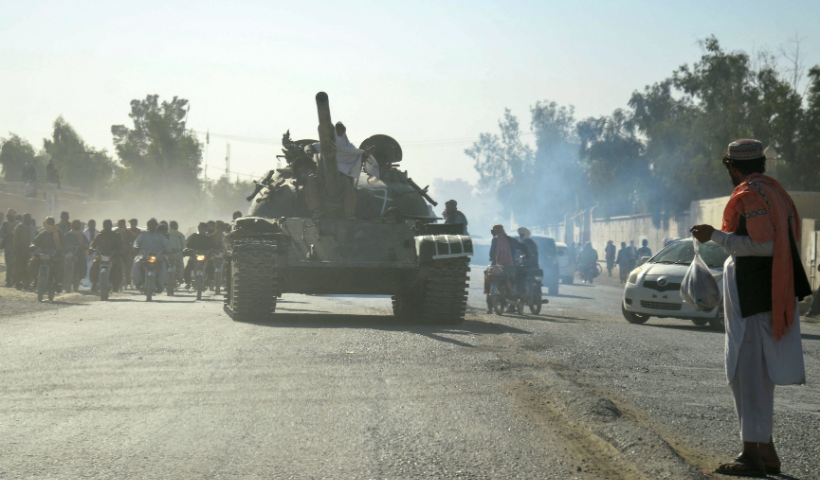
Islamabad, October 17, 2025: The temporary ceasefire between Pakistan and Afghanistan has been extended, a senior diplomatic source confirmed on Friday, as both sides engage in high-level talks aimed at easing border tensions.
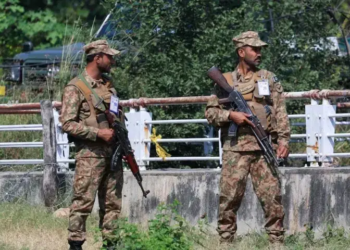
The truce was initially agreed upon for 48 hours at Kabul’s request, following a series of deadly clashes that erupted after Afghan forces launched unprovoked attacks on Pakistani border posts on October 11. The hostilities left 23 Pakistani soldiers martyred and over 200 Taliban fighters dead, according to security officials.
Pakistan’s armed forces had conducted “precision strikes” inside Afghanistan’s Kandahar province and in Kabul, targeting Taliban positions and hideouts allegedly used for launching cross-border attacks.
“The temporary ceasefire was extended at the request of the Afghan Taliban government,” the diplomatic source said. “High-level talks are expected to begin on Saturday in Doha.”
Earlier on Friday, Foreign Office (FO) spokesperson Shafqat Ali Khan confirmed that Pakistan and Afghanistan were “sincerely working” toward resolving what he described as a “complex but solvable issue” through constructive dialogue under the ceasefire arrangement.
“Pakistan greatly values dialogue, diplomacy, and a mutually beneficial relationship with Afghanistan,” Khan said during his weekly press briefing. “At the same time, the Government of Pakistan continues to monitor the situation closely and will take all necessary measures to safeguard its territory and the lives of its people.”
He reiterated that Pakistan seeks a peaceful, stable, and inclusive Afghanistan, but emphasized that Kabul must fulfill its commitments under the Doha Process, including preventing the use of Afghan soil for terrorism.
Khan said Pakistan had repeatedly shared concerns with Kabul regarding the presence of ‘Fitna al-Khawarij’—a term used for the banned Tehreek-i-Taliban Pakistan (TTP)—and ‘Fitna al-Hindustan’, referring to Balochistan-based groups allegedly backed by India.
“Pakistan expects concrete and verifiable action against these terrorist elements by the Taliban regime,” the spokesperson added.
A day earlier, Prime Minister Shehbaz Sharif said Pakistan was ready for dialogue if Afghanistan agreed to fulfill its “justified conditions” following recent border hostilities.
“Yesterday we decided the temporary 48-hour ceasefire and conveyed that if they want to meet our justified conditions through talks, then we are ready,” the prime minister said during a cabinet meeting. “The ball is in their court.”
Relations between Islamabad and Kabul have deteriorated in recent weeks amid a surge in cross-border terror attacks, which Pakistan blames on Afghan-based militants.
Last week, Pakistan’s FO censured Afghan Acting Foreign Minister Amir Khan Muttaqi for remarks made during his visit to India, where he suggested that terrorism was Pakistan’s “internal problem.”
Muttaqi claimed that “no group or organisation” was carrying out terrorist activities from Afghan soil, saying, “If other countries achieve peace themselves as we did in Afghanistan, then there will be peace in the entire region.”
In response, the FO said terrorism was not an internal issue, reiterating that the TTP and other groups continue to operate from Afghan territory with impunity.
As the Doha talks prepare to begin, diplomats say both sides are under growing pressure to prevent a renewed escalation that could destabilize the region and undermine counterterrorism cooperation.