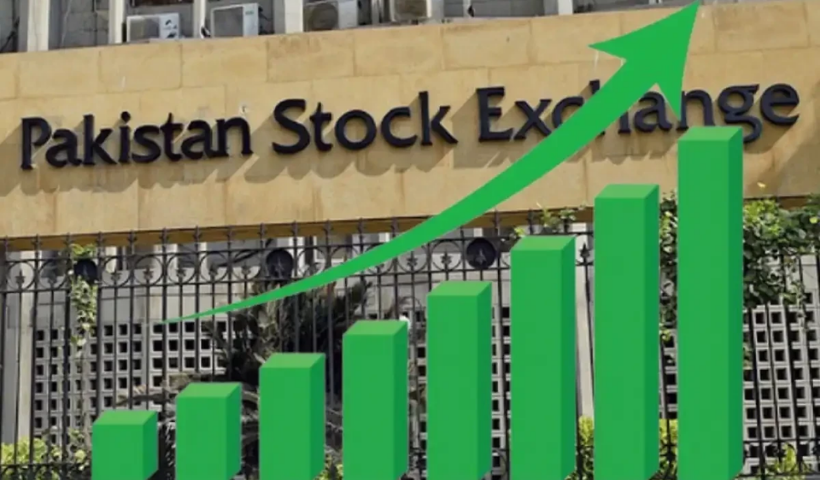
Karachi, November 18, 2025: The Pakistan Stock Exchange (PSX) came under renewed pressure on Tuesday as a fresh wave of selling in the final trading hours pulled the benchmark KSE-100 index down by 0.47%, marking another volatile session for the market.
After opening on a steady note, the index oscillated between gains and losses throughout the day. It touched an early high of 162,344.66, but persistent profit-taking—especially in automobiles, cement, banking, fertiliser and oil exploration sectors—forced the market sharply lower. The benchmark later slipped to an intra-day low of 160,583.90 before closing at 160,935.13, down 752.05 points from Monday’s close of 161,687.18.
Investor sentiment remained fragile amid concerns over Pakistan’s widening trade deficit. Fresh economic data showed the trade gap expanding due to a surge in imports and a notable decline in exports, increasing apprehension over broader macroeconomic stability. The development prompted investors to adopt a cautious approach ahead of potentially tighter economic conditions.
Commenting on the day’s performance, KTrade Securities equities trader Ahmed Sheraz said the market depicted a “mixed-to-negative trajectory” despite a positive start. “Market flow and price action pointed to another spell of selling pressure, likely driven by uncertainty surrounding the economic outlook,” he noted.
Banks led the decline, emerging as the biggest drag on the index. However, select stocks including Pioneer Cement and Pakistan Oilfields provided some support. In contrast, Engro Holdings, Meezan Bank, Bank Al Habib, United Bank, Kohinoor Textile, and MCB Bank were among the major laggards weighing down the benchmark.
Despite the downturn, overall market participation remained strong, with the KSE All Share Index posting a turnover of 1.5 billion shares.
Looking ahead, Sheraz said market sentiment will remain closely tied to developments on the law-and-order front, shifts in the political landscape, and key macroeconomic indicators. Investors are expected to focus on progress toward securing the upcoming IMF tranche and monitoring regional geopolitical movements—factors likely to influence market direction in the near term.