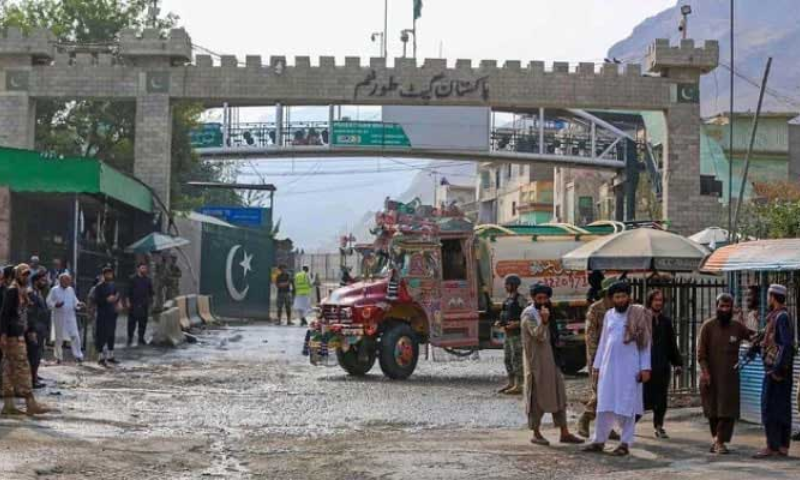
Islamabad, December 4, 2025: Pakistan on Thursday reopened the Torkham and Chaman border crossings with Afghanistan for United Nations humanitarian cargoes after nearly 50 days of closure.
Foreign Office Spokesperson Tahir Andrabi confirmed to a private news channel that the borders have been partially opened for UN aid on humanitarian grounds. He clarified, however, that trade between the two countries remains suspended, emphasizing, “We have no problem with the Afghan people.”
The decision, reportedly taken by the Ministry of Commerce in coordination with the Foreign Office, comes amid growing shortages of food and medical supplies in Afghanistan following the prolonged suspension of cross-border trade.
To facilitate aid, the Ministry of Commerce issued instructions to the Member Customs (Operations), FBR Islamabad, and the Director General Transit Trade, FBR Karachi, requesting all measures to ensure smooth movement of UN humanitarian containers.
The clearance of shipments will occur in three phases including containers carrying food supplies, containers carrying medicines and medical equipment and containers carrying other essential items, including educational kits for students and teachers.
Authorities have been directed to expedite clearance procedures and transit arrangements at Torkham and Chaman to ensure timely delivery of aid.
Pakistan closed the Torkham and Chaman borders on October 12, 2025, after Taliban militants launched attacks on multiple Pakistan Armed Forces posts along the border on the night of October 11–12. The clashes resulted in the deaths of over 200 Taliban and affiliated militants, while 23 Pakistani soldiers were martyred defending the border.
Pakistan responded with precision strikes inside Afghanistan, targeting terrorist positions in Kandahar and Kabul. A temporary 48-hour ceasefire was announced on October 15 at Afghanistan’s request and extended for another 48 hours on October 17 to facilitate negotiations in Doha, Qatar.
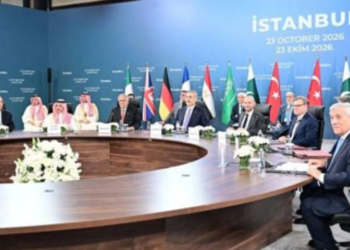
The Qatar-mediated talks led to an official ceasefire agreement on October 19, under which both sides agreed to halt cross-border terrorism and establish mechanisms to consolidate lasting peace. Subsequent talks in Turkiye had collapsed due to disagreements, but mediators persuaded Pakistan to continue the dialogue, ultimately upholding the ceasefire.
The partial reopening of the borders for humanitarian aid marks the first concrete step since the suspension, addressing urgent food and medical needs in Afghanistan while maintaining trade restrictions.