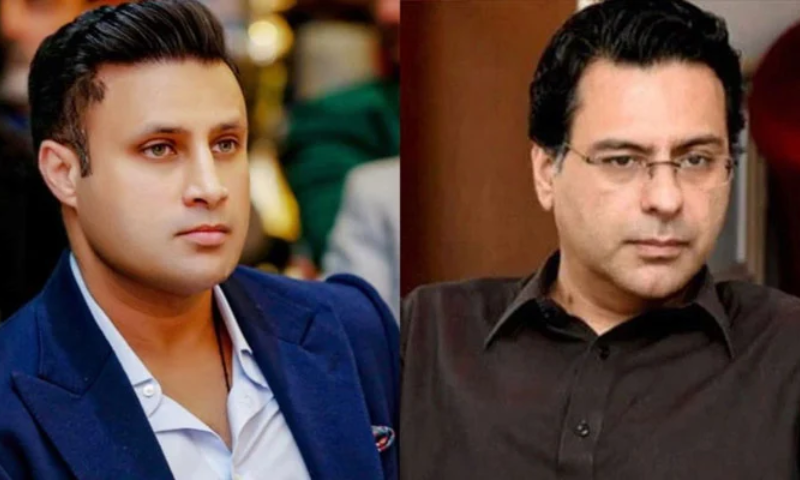
London, December 21, 2025: In a major setback to Pakistan’s interior ministry, Interpol has dropped the extradition request in the terrorism case against senior Pakistan Tehreek-e-Insaf (PTI) leader Zulfi Bukhari, confirming that he is no longer subject to any Interpol notice or diffusion. The decision comes just a month after Interpol gave a clean chit to another PTI leader, Moonis Elahi, in corruption-related allegations.
The General Secretariat of the International Criminal Police Organisation (Interpol) has formally informed Bukhari’s legal team that its investigation into him has been closed and that all information provided by the Government of Pakistan has been deleted from the Interpol Information System. In a letter to Bukhari’s lawyers, Interpol said it had carried out “appropriate checks” and certified that Bukhari is not currently subject to any Interpol notice or diffusion.
Around two years ago, Pakistan’s interior ministry had approached Interpol seeking red notices against both Moonis Elahi and Zulfi Bukhari. The allegations against Moonis included an alleged murder conspiracy stretching from London to Gujarat, as well as corruption cases linked to his role during the PTI government. Against Bukhari, the ministry alleged involvement in terrorism-related incidents outside the Judicial Complex during court appearances of PTI founder Imran Khan, and sought his extradition in connection with the Al-Qadir Trust case, describing him as a central figure alongside Khan and Bushra Bibi.
Last month, Interpol formally certified that Moonis Elahi, 49, was no longer the subject of any notice or diffusion after determining that there was insufficient evidence to substantiate Pakistan’s allegations. Credible Interpol sources had confirmed that the investigation into Moonis was dropped due to a lack of proof of wrongdoing. The cases against Bukhari were initiated in mid-2023, while proceedings against Moonis began about a year later.
The decisions have brought significant relief to both PTI leaders but represent a blow to the interior ministry, which under Interior Minister Mohsin Naqvi had vowed to repatriate exiled and wanted individuals “at any cost.” Lawyers for Moonis and Bukhari successfully argued before Interpol that the cases were politically motivated and amounted to persecution rather than legitimate criminal proceedings. An interior ministry spokesperson declined to comment when asked about Interpol’s decisions.