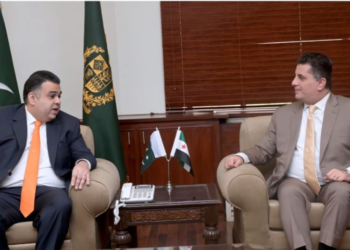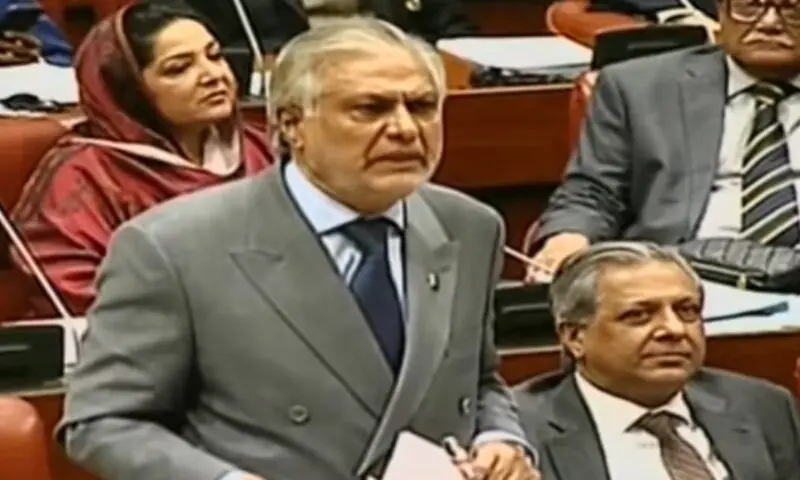
Islamabad, March 3, 2026: Pakistan is actively engaging regional and global partners to help reduce tensions in the Middle East, Deputy Prime Minister and Foreign Minister Ishaq Dar informed the Senate on Tuesday, outlining Islamabad’s ongoing diplomatic efforts amid escalating hostilities.
Dar told lawmakers that Iran has conveyed it does not intend to pursue nuclear weapons, while the United States is reportedly demanding the complete dismantling of Tehran’s nuclear programme. He reiterated Pakistan’s longstanding position supporting Iran’s right to the peaceful use of nuclear energy under international law.
The deputy premier said Pakistan has also offered to facilitate dialogue between Tehran and Washington, proposing Islamabad as a potential venue for talks aimed at easing tensions.
The crisis intensified following Israeli and US airstrikes on Iran that killed several senior Iranian leaders, including Supreme Leader Ayatollah Ali Khamenei. In response, Iran launched missile and drone strikes targeting US interests across Gulf states, further raising fears of a wider regional war.
Dar said Pakistan condemned the attacks and immediately initiated diplomatic outreach to prevent further escalation. He confirmed holding consultations with the foreign ministers of Turkey, Maldives, Bangladesh, Uzbekistan, Saudi Arabia, United Arab Emirates, Qatar, Oman and Iran.
“The objective is to bring the parties back to the negotiating table and avoid further escalation,” Dar said, emphasizing that Pakistan seeks dialogue rather than confrontation.
Pakistan’s top leadership — including Prime Minister Shehbaz Sharif and Chief of Army Staff Field Marshal Asim Munir — is playing a proactive role in diplomatic and defence-level engagements, Dar added.
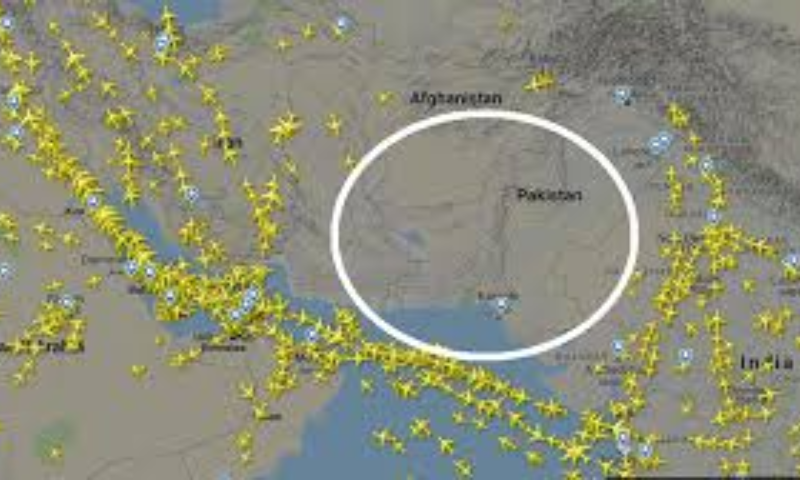
He also briefed the Senate on measures taken to ensure the safety of Pakistani nationals in Iran. Approximately 35,000 Pakistanis are currently residing there. So far, 792 individuals have been evacuated through the Taftan-Zahedan border crossing. While regional airspace remains closed, land routes are still operational.
Dar further revealed that Pakistan coordinated with Saudi authorities to secure assurances that Iranian territory would not be used for military operations against other states.
The deputy prime minister described Pakistan’s approach as “measured and responsible,” noting that the government is fully engaged in back-channel diplomacy. He stressed that Islamabad is working to build consensus among regional states to prevent the conflict from spiralling into a broader war.
“The path forward lies in dialogue and restraint,” Dar told the Senate, reaffirming Pakistan’s commitment to regional peace and stability.