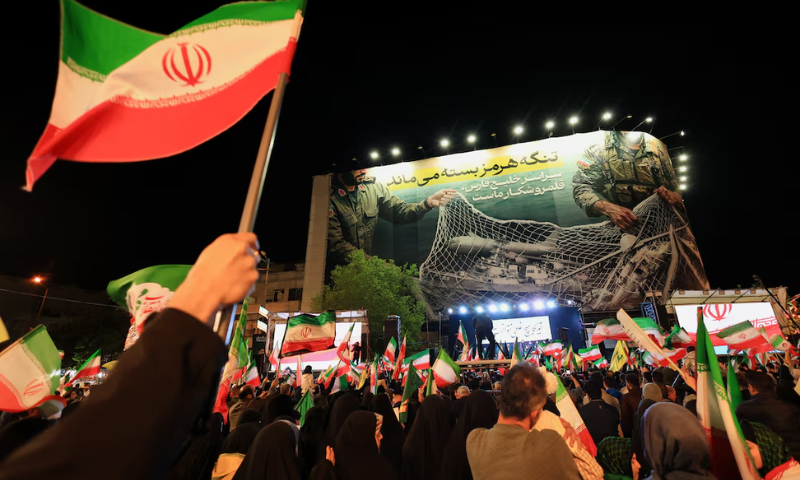
Jerusalem/Islamabad, April 16, 2026: Optimism grew on Thursday that the ongoing Iran war may be nearing an end, as diplomatic efforts led by Pakistan showed signs of progress. However, Tehran cautioned that key differences—particularly over its nuclear programme—remain unresolved.
According to diplomatic sources, a Pakistani mediator has made a breakthrough on critical sticking points, raising hopes for a negotiated settlement after nearly seven weeks of conflict. The United States and Pakistan have expressed confidence in the prospects of a deal, with US President Donald Trump stating that an agreement could reopen the Strait of Hormuz—through which nearly a fifth of the world’s oil and gas supplies pass.
The closure of the strategic waterway has triggered a historic oil price shock and forced the International Monetary Fund to downgrade its global economic outlook, warning that prolonged instability could push the world toward recession.
Pakistan’s diplomatic role gains recognition
Pakistan has emerged as a key mediator in efforts to de-escalate tensions. Asim Munir, Pakistan’s Army Chief and Field Marshal, arrived in Tehran on Wednesday to revive negotiations following earlier talks in Islamabad that ended without a breakthrough.
A senior Iranian official told Reuters that the visit had raised hopes for a second round of negotiations and a possible extension of the two-week ceasefire. However, fundamental differences persist regarding Iran’s nuclear programme.
A security source indicated that Washington is aiming for a breakthrough before the ceasefire expires next week, reportedly offering to lift sanctions and unfreeze billions of dollars in Iranian assets. Iran, in turn, has signalled it may reopen the Strait of Hormuz if a permanent ceasefire is secured and guarantees are provided by the United Nations against future attacks.
Military tensions persist
Despite diplomatic momentum, military tensions remain high as U.S. Defense Secretary Pete Hegseth warned that American forces are prepared to resume combat operations if negotiations fail, underscoring the fragile nature of the ceasefire.
Meanwhile, discussions on a potential ceasefire in Lebanon—where Israel has been engaged in conflict with Iran-backed Hezbollah—are expected to form a critical component of broader peace negotiations. Benjamin Netanyahu and Joseph Aoun have also been linked to diplomatic developments surrounding the crisis.
Nuclear issues remain a major hurdle
The war, which began on February 28 following U.S.-Israeli strikes on Iran, has resulted in thousands of casualties, primarily in Iran and Lebanon, and has shaken global energy markets.
Iran’s nuclear ambitions continue to be a central sticking point. Washington has reportedly proposed a 20-year suspension of Iran’s nuclear activities, while Tehran has suggested a three- to five-year halt. The United States has also pressed for the removal of Iran’s highly enriched uranium stockpile, whereas Iran has demanded the lifting of international sanctions.
Sources indicate that a compromise may be emerging, with Tehran considering shipping part of its enriched uranium abroad—an option previously ruled out.
Economic fallout and global implications
The conflict has severely disrupted global trade and energy flows. Iran’s effective closure of the Strait of Hormuz has curtailed exports from the Gulf, prompting the United States to impose a naval blockade on Iranian shipping. The U.S. Navy has warned that vessels suspected of carrying prohibited materials may be subject to inspection and seizure.
Amid the uncertainty, global stock markets have rallied on expectations of a diplomatic resolution, while oil prices remain volatile due to lingering concerns over regional stability.
Officials say Islamabad may soon host another round of talks, underscoring Pakistan’s growing diplomatic role in efforts to secure peace in the Middle East. If successful, the negotiations could mark a significant breakthrough toward regional stability and global economic recovery.