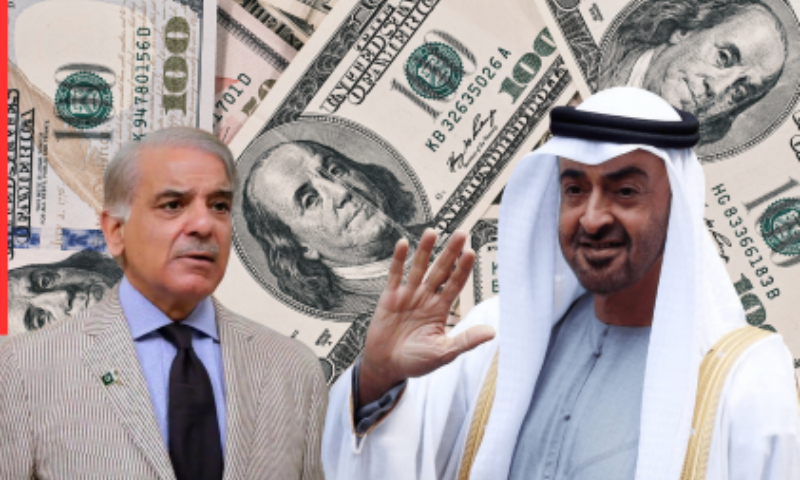
Karachi, April 24, 2026: The State Bank of Pakistan (SBP) on Friday confirmed it has fully repaid $3.45 billion in deposits to the United Arab Emirates, completing a major external liability settlement that could intensify pressure on the country’s foreign exchange reserves.
In a statement posted on X, the central bank said it transferred the final $1 billion tranche to the Abu Dhabi Fund for Development (ADFD) on April 23. The payment follows last week’s settlement of $2.45 billion, marking the full repayment of UAE-placed deposits.
“This completes the repayment of total deposits of $3.45 billion to UAE,” the SBP said.
The repayments come at a time when Pakistan’s external financing needs remain under strain. Analysts warn that the outflow — coupled with an estimated 6% interest cost — could widen the country’s financing gap and weigh on already fragile foreign exchange reserves.
Earlier, the SBP had confirmed the return of $2 billion to the UAE on April 18, describing the funds as safe deposits held with the central bank.
Pakistan has also stepped up broader debt servicing efforts, recently repaying $1.43 billion in external obligations, including a $1.3 billion Eurobond, reflecting a continued push to meet international commitments amid tight liquidity conditions.
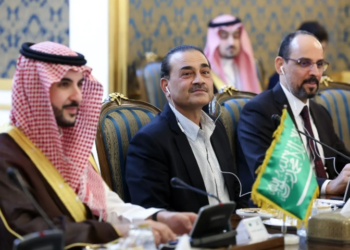
In a partial relief, Pakistan secured an extension on a $3 billion deposit from Saudi Arabia, helping cushion the immediate impact of the UAE repayments. The SBP also confirmed receiving $2 billion from Riyadh earlier this month, with a value date of April 15, 2026.
Finance Minister Muhammad Aurangzeb said the government is actively evaluating multiple avenues to stabilize reserves and bridge the financing gap, including fresh Eurobond issuances, commercial borrowing, and Islamic sukuk instruments.
“All options are on the table,” Aurangzeb said on the sidelines of the spring meetings of the International Monetary Fund and the World Bank.
He noted that Pakistan’s foreign exchange reserves currently stand at around 2.8 months of import cover — a level he described as critical for maintaining macroeconomic stability.
“We are looking at Eurobond, Islamic sukuk, and dollar-settled rupee-linked bonds,” he said, adding that the country expects to tap international debt markets later this year while also exploring bilateral and commercial loans.
Aurangzeb said Pakistan has not yet sought revisions to its $7 billion IMF programme despite economic uncertainties stemming from the ongoing Middle East conflict, but indicated that adjustments could be considered if conditions worsen.
The IMF Executive Board is expected to approve the next tranche under the Extended Fund Facility (EFF) and the Resilience and Sustainability Facility (RSF) next month, potentially unlocking nearly $1.3 billion in additional funding.
Highlighting broader economic risks, the finance minister pointed to the impact of the Middle East conflict on global energy markets, stressing the need for Pakistan to build a strategic petroleum reserve and accelerate its transition toward renewable energy.
As Islamabad navigates a complex external environment marked by debt repayments, geopolitical uncertainty, and tight financing conditions, maintaining reserve stability and securing fresh inflows will remain central to economic management in the months ahead.