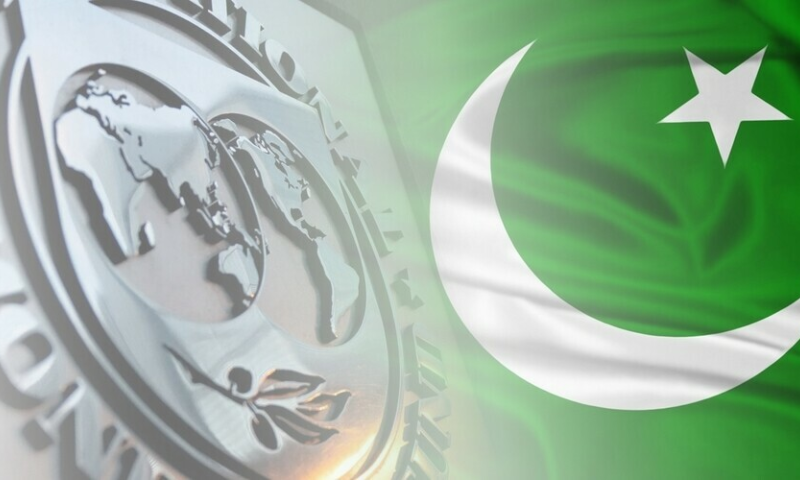
Islamabad, April 24, 2026: Pakistan has met 14 out of 17 key quantitative performance criteria and indicative targets set under its ongoing programme with the International Monetary Fund, strengthening its case for the release of the next loan tranche, according to a report published on Friday.
However, shortfalls in tax collection and data gaps in certain areas highlight persistent fiscal challenges as the country navigates a fragile economic recovery.
Official sources confirmed that under the $7 billion Extended Fund Facility (EFF), Pakistan successfully met most of the benchmarks for the end of December 2025.
Among the major achievements:
- The ceiling on the general government primary budget deficit — set at Rs4.1 trillion — was met.
- Cash transfers under the Benazir Income Support Programme reached Rs326 billion, in line with IMF expectations.
- Total spending on health and education stood at Rs1,360 billion, meeting the programme target.
- The ceiling on total government guarantees, recorded at Rs4,542 billion, was also achieved.
The State Bank of Pakistan (SBP) maintained zero direct credit to the government, another key reform benchmark.
Targets related to tax refund arrears and power sector payment obligations were also successfully met.
In addition, the SBP met limits on net domestic assets and foreign currency swap positions, while no external public payment arrears were recorded.
The IMF review noted that the SBP’s net international reserves (NIR) target — adjusted from negative $5.6 billion to negative $6.99 billion — was successfully achieved, reflecting improved external account management despite ongoing pressures.
Despite overall progress, Pakistan fell short on several fronts:
- The Federal Board of Revenue (FBR) failed to meet its tax collection target of Rs6,161 billion by end-December 2025.
- Data on income tax collection from retailers — a key reform area agreed with the IMF — was not provided.
- Information on achieving the target of 500,000 new tax return filers was also unavailable.
These gaps raise concerns about tax base expansion and documentation of the economy — critical pillars of the IMF-backed reform agenda.
On a more encouraging note, provincial governments collectively generated Rs568 billion in tax revenues, meeting their targets. The provincial primary surplus target, set at Rs1,227 billion, was also broadly in line with expectations.
IMF staff have submitted their assessment to the Fund’s Executive Board, which is expected to consider approval of the fourth tranche — worth approximately $1.2 billion — in May 2026.
If approved, the disbursement would provide a much-needed boost to Pakistan’s foreign exchange reserves and help stabilise the macroeconomic outlook.
While Pakistan’s progress on most IMF conditions signals improved fiscal discipline, analysts caution that sustained reforms — particularly in tax collection and documentation — will be essential to ensure long-term economic stability and continued support from international lenders.
The upcoming IMF board decision will be closely watched as a key indicator of confidence in Pakistan’s reform trajectory.