Moscow/Tehran/Islamabad, April 27, 2026: Iranian Foreign Minister Abbas Araghchi said on Monday that Tehran is reviewing a request from US President Donald Trump for renewed negotiations, as diplomatic activity intensifies across multiple regional capitals amid heightened tensions in West Asia.
According to remarks posted on his official Telegram account and reported by state media, Araghchi said Iran was assessing Washington’s outreach, adding that the US had “not achieved its objectives” through its current approach. Speaking in Russia, he further stated that the request for talks reflected the failure of US policy goals.
The Iranian foreign minister is currently on an official visit to Russia following a stop in Islamabad, where he held consultations with Pakistani leadership on regional de-escalation efforts.
Putin reaffirms support for regional stability
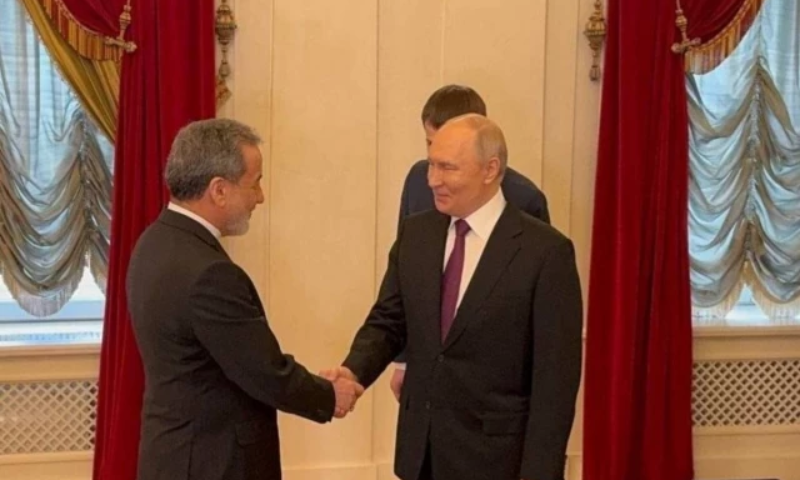
In St. Petersburg, Russian President Vladimir Putin met Araghchi and pledged that Russia would “do what it can” to support regional peace and stability.
Russian state media reported that Putin said Moscow would work to protect the interests of Iran and other regional states, expressing hope for an early restoration of peace in West Asia. The Russian leader also noted receiving a message from Iran’s leadership.
Senior Russian officials, including Foreign Minister Sergei Lavrov and intelligence chief Admiral Igor Kostyukov, attended the meeting, alongside Iranian Deputy Foreign Minister Kazem Gharibabadi and Ambassador to Russia Kazem Jalali.
Kremlin spokesman Dmitry Peskov said the talks carried “significant importance” given the evolving situation in Iran and the broader Middle East.
Iran-Russia strategic coordination
Araghchi reiterated that Iran and Russia share a “strategic partnership” and will continue to strengthen bilateral cooperation. He said Iran had “resisted US pressure” and would continue to do so while pursuing diplomatic engagement.
He also confirmed that consultations were held in Islamabad during his regional tour, noting Pakistan’s role in facilitating dialogue and assessing developments.
Araghchi further referenced Oman as a key regional partner, praising its mediation efforts in maintaining communication channels between Tehran and Washington. He emphasized cooperation among Persian Gulf states, citing the strategic importance of the Strait of Hormuz.
US signals on talks and policy shifts
Diplomatic uncertainty continues as US President Donald Trump recently cancelled a planned visit to Islamabad by envoys Steve Witkoff and Jared Kushner, reportedly after indications that Iran would not engage in direct talks there.
US media reports suggest informal proposals have circulated through intermediaries, including Pakistan, regarding potential frameworks involving the Strait of Hormuz and nuclear discussions. Tehran, however, has not confirmed formal negotiations.
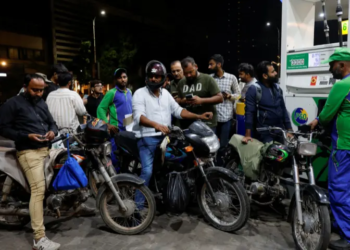
Trump, in an interview with Fox News, said Iran “can come to us” if it seeks dialogue, while acknowledging rising domestic pressure amid increasing fuel prices and global market disruptions.
EU and regional positions harden
In Europe, European Commission President Ursula von der Leyen said sanctions on Iran remain in place and it is “too early” to consider easing them, citing the need for fundamental political change.
Meanwhile, regional tensions remain high as Hezbollah leader Naim Qassem reiterated that his group will not enter direct negotiations with Israel and will continue its armed resistance.
Qassem said Hezbollah would not disarm, rejecting direct talks while calling instead for indirect negotiations through mediators, and reaffirmed resistance against Israeli military actions.
Strait of Hormuz and economic impact
Araghchi also addressed the strategic Strait of Hormuz, saying Iran’s approach aims to ensure “safe transit for all” while protecting national interests. However, Iran’s Revolutionary Guards have separately indicated they maintain control measures over the waterway, a key global energy corridor.
The ongoing disruption has contributed to volatility in global oil markets, raising concerns over energy prices, food security, and supply chains in developing economies.
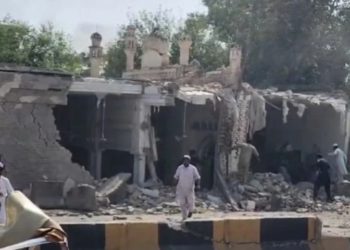
The wider region remains volatile, with renewed exchanges between Israel and Hezbollah in southern Lebanon and reported casualties from recent strikes. Israeli leadership has defended its military operations as preventive actions against imminent threats, while Hezbollah has vowed continued resistance.
With multiple diplomatic tracks active—from Moscow to Islamabad to Muscat—the region remains at a critical juncture. While backchannel communications continue, no formal breakthrough has yet been announced, and tensions remain elevated across political and military fronts.