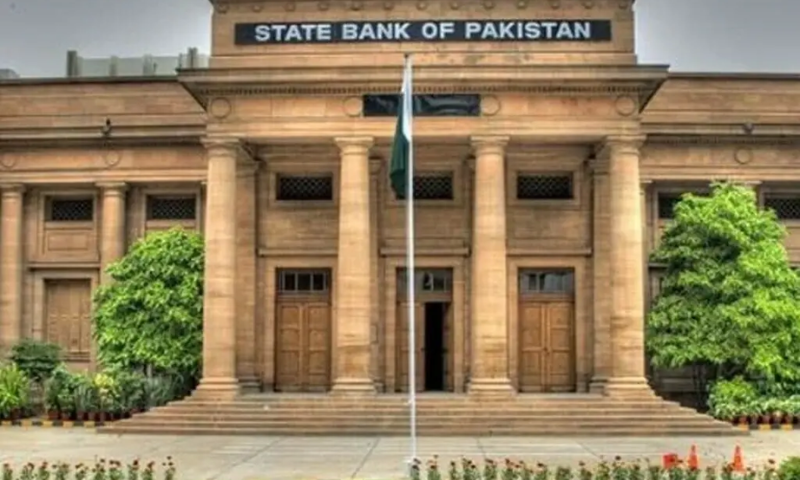
Karachi, April 27, 2026: The State Bank of Pakistan (SBP) on Monday increased its key policy rate by 100 basis points to 11.5 per cent, marking the first rate hike in almost three years.
The decision was taken during a meeting of the Monetary Policy Committee (MPC), with the revised rate set to take effect from Tuesday. In a brief statement, the central bank said a detailed monetary policy announcement would be issued later.
The move comes amid mounting inflationary risks, largely driven by rising global oil prices linked to tensions stemming from the US-Israel war on Iran. As an import-dependent economy, Pakistan remains particularly vulnerable to external price shocks.
The rate hike was widely anticipated by market participants, though analysts had differing views on the magnitude of the increase. Economists, bankers, and financial experts had largely agreed that tightening monetary policy was inevitable in the current environment.
A higher interest rate is expected to support exporters and remittance inflows by offering better returns, but it may also increase borrowing costs for businesses and consumers. Importers are likely to face additional financial strain, while the government’s debt servicing burden could rise further due to its heavy reliance on borrowing.
Commenting on the broader outlook, a financial expert noted that uncertainty surrounding the Gulf conflict could significantly impact regional economies. “The risks in the Gulf war are unseen and so uncertain that nobody can claim that economies like Pakistan’s would remain unaffected,” he said, warning of potential declines in manufacturing activity and a rise in poverty levels.
Meanwhile, the Pakistan Stock Exchange (PSX) reacted negatively ahead of the announcement, with the benchmark index closing 1,174.69 points lower than the previous session.
Despite Monday’s hike, the SBP has reduced its policy rate by a cumulative 1,150 basis points since June 2024, when it stood at a record high of 22 per cent.
Inflation has recently shown an upward trend, with Pakistan’s consumer price index rising 7.3 per cent year-on-year in March, exceeding the SBP’s target range of 5 to 7 per cent. Some analysts warn inflation could approach 10 per cent in April.
The International Monetary Fund (IMF) has also advised Pakistan against premature monetary easing, urging authorities to maintain a positive real interest rate to ensure macroeconomic stability.