Tehran/Islamabad/Washington, April 23, 2026: Iran has begun collecting transit fees from ships passing through the strategic Strait of Hormuz, marking a significant shift in control over one of the world’s most critical energy corridors amid an intensifying regional conflict.
Iranian Parliament Deputy Speaker Hamidreza Haji Babaei confirmed that the first revenues from the toll system have been deposited into the central bank, with lawmakers stating that vessels are now being charged based on cargo type, volume, and perceived security risks.
Strategic leverage over global energy flows
The Strait of Hormuz carries nearly one-fifth of the world’s oil and gas supplies, making it one of the most vital maritime routes globally.
Analysts warn that Iran’s move could transform the chokepoint into what some describe as a “toll corridor,” potentially reshaping global energy trade and increasing shipping costs for years.
Estimates suggest that fees could reach up to $2 million per tanker, translating into billions of dollars annually if fully enforced.
Even limited enforcement could generate hundreds of millions of dollars each year, depending on traffic volumes and compliance.
The development comes after months of escalating tensions, with Iran asserting tighter control over the waterway following the breakdown of ceasefire talks and ongoing confrontation with the United States and Israel.
Maritime confrontations deepen
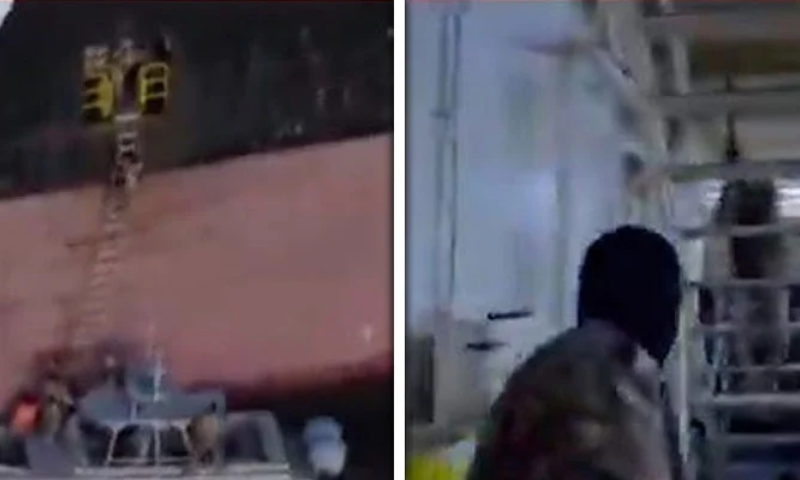
The crisis has extended far beyond the Gulf. US forces have intercepted multiple Iranian oil tankers in Asian waters, while Iran has seized foreign-flagged vessels within the Strait of Hormuz, accusing them of violating maritime regulations.
The Islamic Revolutionary Guard Corps has reportedly intensified patrols and deployed naval assets, reinforcing Tehran’s claim of operational control over the strait.
The United States, meanwhile, has maintained a naval blockade targeting Iranian trade routes following the collapse of negotiations, further escalating tensions.
Fragile ceasefire, uncertain diplomacy
Efforts to revive diplomacy remain uncertain. Talks hosted by Pakistan earlier this month—the Islamabad Talks—failed to produce a breakthrough, though both sides have left the door open for further dialogue.
Recent reports suggest Iran is hesitant to rejoin negotiations under current conditions, particularly while the US naval blockade remains in place.
At the same time, US leadership has indicated a preference for a quick resolution rather than prolonged talks, with ceasefire timelines repeatedly extended but lacking clarity.
Global economic fallout
The standoff has already triggered a sharp rise in global oil prices, with Brent crude crossing $100 per barrel amid fears of prolonged supply disruptions.
Shipping disruptions have left thousands of sailors and hundreds of vessels stranded in the Gulf region, underscoring the scale of the crisis and its ripple effects on global trade.
Energy-importing countries, including those in South Asia, face mounting pressure as supply chains tighten and costs surge.
A prolonged standoff ahead
The conflict, which began on February 28 following joint US-Israeli strikes on Iran, has evolved into a complex geopolitical standoff involving military escalation, economic warfare, and fragile diplomacy.
With the Strait of Hormuz still effectively constrained and both sides maintaining hardline positions, prospects for de-escalation remain uncertain—raising concerns that the current crisis could have long-lasting consequences for global energy security and regional stability.