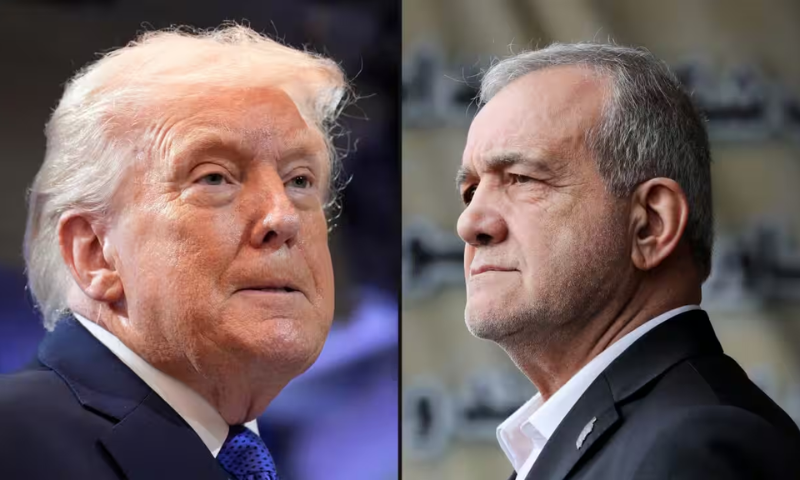
Islamabad/Washington/Tehran, April 20, 2026: Uncertainty persisted on Monday over whether the United States and Iran would proceed with a second round of direct negotiations, as conflicting signals from Tehran and Washington cast doubt on the planned talks in Islamabad.
US President Donald Trump told The New York Post that an American delegation, led by Vice President JD Vance, was en route to Pakistan and expected to arrive within hours for peace talks with Iran. Trump also expressed willingness to personally meet senior Iranian leadership if a breakthrough is achieved.
“We’re supposed to have the talks… I would assume at this point nobody’s playing games,” Trump said, adding that the delegation would arrive in Islamabad later in the evening. However, conflicting reports emerged, with sources indicating that Vance had not yet departed from the United States, raising further uncertainty about the timeline.
Earlier, Iranian Foreign Ministry spokesperson Esmaeil Baqaei said Tehran had not yet decided whether to participate in the next round of talks.
“As of now… we have no plans for the next round of negotiation, and no decision has been made,” Baqaei said during a press briefing in Tehran, citing concerns over Washington’s commitment to diplomacy.
He accused the US of violating the recently agreed ceasefire, pointing to the seizure of an Iranian cargo vessel, continued naval blockade of Iranian ports, and delays in implementing a ceasefire in Lebanon as evidence of “non-serious” engagement.
Iran has also reiterated that its nuclear programme remains non-negotiable, with Baqaei clarifying that the transfer of enriched uranium “was never an option” in discussions.
Meanwhile, Iran’s parliament speaker Mohammad Bagher Ghalibaf said Tehran would continue negotiations but remained prepared for escalation. “We do not trust the enemy. At any moment, it may escalate the war,” he said, adding that Iran was ready to take “necessary measures.”
Tensions between the two sides remain centered on the strategic Strait of Hormuz, a critical artery for global energy supplies. Iran has once again closed the strait, warning it will not reopen the route until the US lifts its blockade on Iranian ports.
Iran’s First Vice President Mohammad Reza Aref warned that security in the Strait of Hormuz “is not free,” stating that restricting Iran’s oil exports while expecting safe maritime passage for others was untenable.
“The world faces a choice: a free oil market for all, or significant costs for everyone,” Aref said, underscoring the broader economic implications of the standoff.
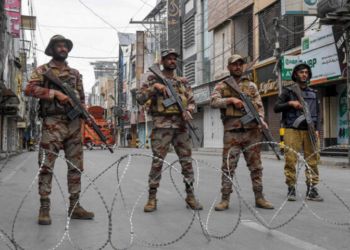
Despite uncertainty over the talks, Pakistan has ramped up preparations to host the high-stakes negotiations. Security across Islamabad and Rawalpindi has been significantly tightened, with reports of more than 10,000 personnel, including commandos and snipers, deployed across key نقاط.
Authorities have sealed the Red Zone, restricted public transport, and implemented extensive security protocols, including special arrangements at Islamabad International Airport. Several high-end hotels have also been vacated to accommodate visiting delegations.
Interior Minister Mohsin Naqvi earlier met US Chargé d’Affaires Natalie Baker to review security arrangements for the anticipated talks.
The uncertainty surrounding the second round of talks comes against the backdrop of a fragile ceasefire between Washington and Tehran, brokered earlier this month after weeks of escalating conflict.
While both sides have expressed conditional willingness to engage, deep mistrust, ongoing military actions, and conflicting demands continue to threaten diplomatic progress.
As Islamabad positions itself as a key mediator, the coming hours will be critical in determining whether dialogue can proceed or whether tensions will further escalate in an already volatile region.