Tehran/Washington/Islamabad, April 20, 2026: With a fragile two-week ceasefire between Iran and the United States set to expire this week, diplomatic efforts appear increasingly uncertain amid rising tensions, military posturing, and deep disagreements over key issues, including maritime security and Iran’s nuclear programme.
Iranian President Masoud Pezeshkian on Monday stressed the importance of pursuing “rational and diplomatic” pathways to de-escalate tensions with Washington. However, he underscored that vigilance and distrust toward the US remain an “undeniable necessity,” reflecting Tehran’s growing skepticism about American intentions.
Talks in Islamabad hang in balance
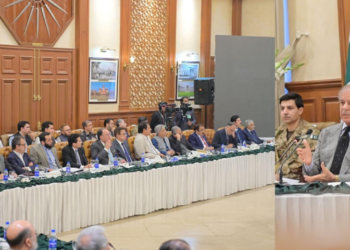
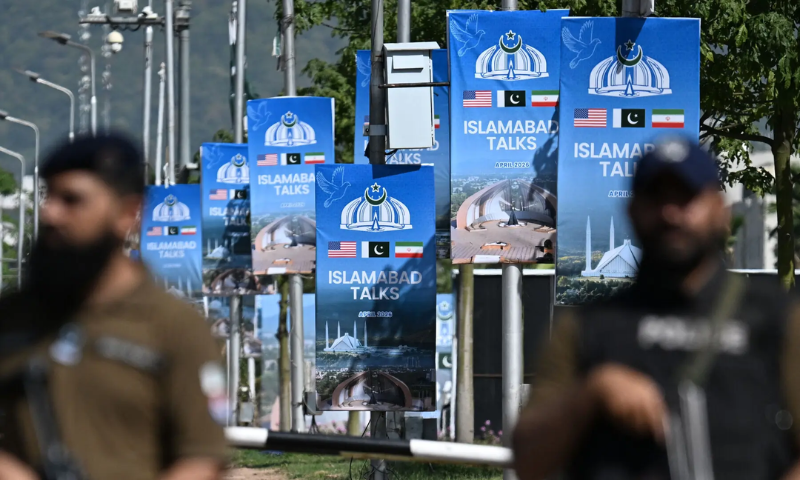
Pakistan, which has emerged as a key mediator, was preparing to host a fresh round of negotiations in Islamabad, with US representatives expected to arrive Monday. However, uncertainty looms over Iran’s participation, as Tehran has yet to confirm sending a delegation.
According to Iranian state media, there are currently “no plans” for a second round of talks, with officials citing Washington’s “excessive and unrealistic demands” and shifting positions. Iranian Foreign Ministry spokesperson Esmail Baghaei said the US is “not serious” about diplomacy, accusing it of violating ceasefire terms and engaging in “violent acts.”
“We do not believe in deadlines or ultimatums when it comes to safeguarding Iran’s national interests,” Baghaei stated, reiterating Tehran’s firm stance that its nuclear programme and missile capabilities are non-negotiable.
Strait of Hormuz flashpoint
A major point of contention remains the strategic Strait of Hormuz, through which nearly one-fifth of the world’s oil supply passes. Iran has intermittently tightened control over maritime transit, while the US has enforced a blockade on Iranian ports.
Tensions escalated further after US forces intercepted and seized an Iranian-flagged cargo vessel attempting to bypass the blockade. The US military reported firing on the ship following a prolonged standoff before taking control. President Donald Trump confirmed the operation, stating that US forces now have “full custody” of the vessel.
Iran condemned the seizure as “armed piracy,” with its military vowing retaliation. Officials said the ship had originated from China, raising further geopolitical sensitivities.
China urges restraint
China expressed concern over the US action, urging all parties to adhere to ceasefire commitments and avoid escalation. Chinese Foreign Ministry spokesperson Guo Jiakun described the situation in the Strait of Hormuz as “sensitive and complicated,” calling for conditions that would allow normal maritime transit to resume.
Pakistan’s mediation efforts
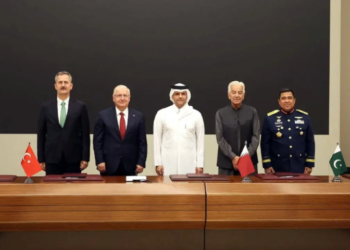
In a key diplomatic development, Prime Minister Shehbaz Sharif held a phone conversation with President Pezeshkian, who thanked Pakistan for its “serious efforts” in facilitating peace.
Pezeshkian criticized US actions, including the naval blockade, as violations of the ceasefire and contrary to international law. He warned that Washington’s conduct and rhetoric risk undermining diplomatic progress and reinforcing mistrust.
Meanwhile, Pakistan has stepped up security preparations ahead of the expected US delegation’s arrival. Reports indicate that transport restrictions were imposed in Islamabad, while heightened security measures were put in place around key venues, including the Serena Hotel, where earlier talks were held.
Military posturing and threats
The situation remains volatile, with both sides accusing each other of ceasefire violations. Iranian armed forces have declared readiness to respond to any US “aggression,” while Washington has maintained pressure through its military presence and blockade strategy.
Iranian officials have also warned that any attack on its civilian infrastructure would be met with retaliatory strikes targeting regional assets, including energy facilities in Gulf states hosting US bases.
Iran’s Ambassador to Russia, Kazem Jalali, said recent conflicts had strengthened Tehran’s resolve, asserting that the US had failed to achieve its objectives militarily and would not succeed through negotiations either.
Global economic concerns
The crisis has already sent shockwaves through global markets. Oil prices have surged amid fears of prolonged disruption in the Gulf, while stock markets have shown volatility. Analysts warn that continued instability in the Strait of Hormuz could severely impact global energy supplies.
The broader regional situation also remains tense. In parallel developments, Israel has issued warnings to civilians in southern Lebanon amid ongoing military deployments, following a separate ceasefire agreement brokered earlier this month.
As the ceasefire deadline approaches, prospects for sustained peace appear increasingly fragile. While diplomatic channels remain open, deep mistrust, conflicting demands, and continued military actions threaten to derail negotiations before they resume.
With Islamabad positioned at the center of mediation efforts, the coming days are likely to prove crucial in determining whether diplomacy can prevail over escalating confrontation.