Tehran/Islamabad/Washington, May 7, 2026: Iran has not yet reached a final decision on a United States proposal conveyed through Pakistani mediation and is still reviewing the framework internally, Iranian Foreign Ministry spokesman Esmaeil Baghaei said on Thursday.
In an interview with Iran’s official news agency Islamic Republic News Agency (IRNA), Baghaei said the most pressing issue under discussion was the ongoing war, ceasefire arrangements and efforts aimed at restoring peace and stability in the region.
He confirmed that recent contacts with Pakistan had centred on a proposed Iranian framework, described as a “14-point proposal”, which was transmitted to the United States through Pakistani mediation.
“We are still reviewing the proposal. We need to reach a conclusion first, and we will definitely inform the public afterwards,” Baghaei said, adding that Tehran would communicate its final assessment to Pakistan once internal consultations were completed.
“Based on the outcome of these message exchanges, the next step will be decided,” he added.
The remarks came amid growing indications that Washington and Tehran may be moving toward a limited interim agreement aimed at halting hostilities and easing tensions in the Gulf region, although major disputes remain unresolved.
According to international media reports, including Reuters and Axios, discussions are currently focused on a temporary memorandum of understanding rather than a comprehensive peace accord.
The proposed framework reportedly includes three stages: formally ending the war, resolving the crisis surrounding the Strait of Hormuz and opening a 30-day negotiation window for broader talks on Iran’s nuclear programme and regional issues.
A senior Pakistani official involved in mediation efforts told Reuters that Islamabad’s immediate priority was securing a permanent end to the conflict before broader disputes were addressed through direct negotiations.
“Our priority is that they announce a permanent end to war and the rest of the issues could be thrashed out once they get back to direct talks,” the official said.
Pakistan’s Foreign Ministry spokesperson Tahir Andrabi also expressed optimism regarding progress in the talks, saying Islamabad expected an agreement “sooner rather than later”.
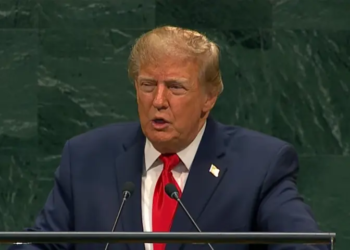
US President Donald Trump maintained an optimistic tone, telling reporters at the White House that “it’s very possible” a deal could be reached soon.
However, Iranian officials appeared more cautious. Iranian parliamentarian Ebrahim Rezaei described the American proposal as “more of an American wish-list than a reality”, while Parliament Speaker Mohammad Baqer Qalibaf criticised media reports suggesting a breakthrough was imminent.
The emerging framework reportedly leaves several major disputes unresolved, particularly regarding Iran’s nuclear programme, its stockpile of highly enriched uranium and regional security arrangements.
Sources familiar with the negotiations said the proposed understanding did not include earlier US demands relating to Iran’s missile programme or Tehran’s support for regional armed groups including Hezbollah.
Regional tensions remain high despite ongoing diplomatic contacts.
Israel said Thursday it had carried out an airstrike in Beirut targeting a Hezbollah commander, marking the first Israeli strike on the Lebanese capital since last month’s ceasefire.
Meanwhile, global markets reacted positively to reports of possible progress in negotiations. Oil prices continued to decline, with Brent crude falling below $100 per barrel amid hopes of reduced disruptions to Gulf energy supplies and a possible reopening of the Strait of Hormuz.
Asian stock markets also rallied strongly on expectations that an agreement could help stabilise regional tensions and global energy markets.
Pakistan has emerged as a key mediator in the ongoing crisis, maintaining diplomatic engagement with both Tehran and Washington while coordinating closely with Gulf states to support efforts aimed at ending the conflict and restoring stability in the Middle East.