Washington, August 8, 2026: US President Donald Trump has said the Strait of Hormuz could reopen “very soon” as diplomatic negotiations between the United States and Iran continue, while warning that Tehran would face a strong military response if the talks fail.
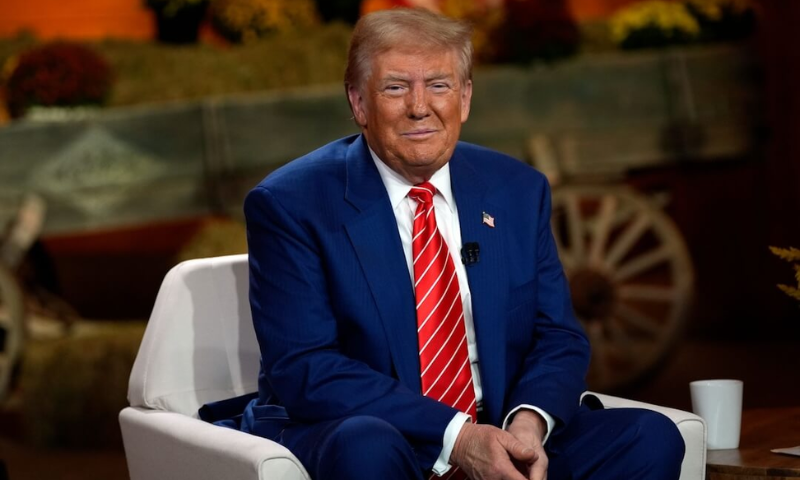
Speaking in an interview with Fox News, Trump expressed optimism about the ongoing negotiations, saying discussions had made significant progress and that Iranian representatives had sought dialogue at a time when the United States was preparing for a major military operation.
According to Trump, Washington agreed to enter negotiations after receiving indications from Tehran that it was prepared to engage diplomatically. He reiterated that the United States remains committed to preventing Iran from acquiring nuclear weapons, warning that any collapse of the talks would trigger a firm response.
The US president said negotiators spent the entire day in discussions and described the atmosphere as constructive. He added that a successful agreement could pave the way for the reopening of the Strait of Hormuz, one of the world’s most strategically important maritime corridors for global energy supplies.
Trump said restoring normal shipping through the waterway would help ease pressure on international energy markets, potentially leading to lower oil prices and reduced fuel costs for consumers. He also urged energy companies to pass on the benefits of any decline in oil prices by lowering gasoline prices.
Later, speaking to reporters in California, Trump said negotiations with Iran were “moving along very nicely” and suggested that greater clarity on the outcome could emerge within the next 48 hours.
Diplomatic efforts are reportedly being facilitated by regional mediators, including Oman and Qatar, with discussions focused on restoring safe maritime navigation through the Strait of Hormuz and reducing tensions between Washington and Tehran. Iranian officials, however, have maintained that meaningful progress depends on an end to what they describe as US threats and full respect for Iran’s sovereignty.
The Strait of Hormuz remains one of the world’s most critical energy chokepoints, handling a substantial share of global crude oil and liquefied natural gas exports. Any disruption to shipping through the waterway has significant implications for international energy markets, global trade and economic stability.
Financial markets responded positively to reports of progress in the negotiations, with oil prices declining and Asian stock markets advancing on expectations that a diplomatic breakthrough could help restore uninterrupted maritime trade and reduce geopolitical risks in the region.
Meanwhile, Israeli media reported growing concern among some officials over Washington’s diplomatic approach towards Tehran, suggesting the United States was placing greater emphasis on securing a negotiated settlement. However, no official statement has been issued by the Israeli government regarding the reports.