
By Shah Khalid Khan Hamdani, Resident Editor, Sub News USA
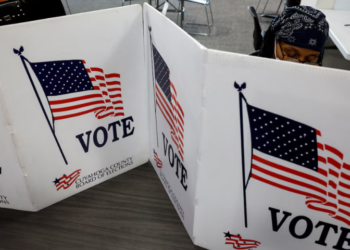
Washington, November 4, 2026: Democrats swept the 2026 U.S. midterm elections on Tuesday, flipping both the House of Representatives and the Senate in a decisive blue wave that reached deep into longtime Republican strongholds. The results handed the party full control of Congress and delivered a clear electoral rejection of President Donald Trump’s agenda, driven by widespread voter anger over high prices, tariffs, and the ongoing war with Iran.
With most races called or leaning heavily Democratic by Wednesday morning, Democrats secured at least a 53–54 seat majority in the Senate after flipping seven Republican-held seats. Projections put Democratic gains in the House at 25 or more seats, potentially pushing the party’s total well above 220–230 seats and into one of its largest majorities in decades. Republicans, who entered the night controlling both chambers, suffered historic losses.
Historic Senate flips in red territory
The night’s most striking results came in states that had not elected Democratic senators in decades:
- In Texas, progressive state representative James Talarico defeated Trump-backed Republican Ken Paxton, ending a 38-year Republican Senate streak. Democrat Gina Hinojosa also unseated three-term Governor Greg Abbott, becoming the state’s first Latina governor and the first Democrat to win the office in more than three decades. Heavy spending by Republican-aligned donors failed to stem the tide.
- In Kansas, Methodist minister Adam Hamilton defeated incumbent Senator Roger Marshall, marking the first Democratic Senate win in the state since 1932.
- In South Carolina, pediatrician Annie Andrews defeated Darline Graham, sister of the late Senator Lindsey Graham, giving Democrats their first Senate seat there in nearly 30 years.
- Democrats also flipped seats in Iowa (Josh Turek over Ashley Hinson), Ohio (Sherrod Brown over Jon Husted), North Carolina (Roy Cooper), and Maine (Troy Jackson over longtime Senator Susan Collins).
- Abdul El-Sayed won the open Michigan Senate seat, becoming the first Muslim elected to the U.S. Senate. Democrats also held competitive seats in Georgia (Jon Ossoff) and New Hampshire.
House gains and governor races
Democrats needed only a handful of net House seats to win the majority and far exceeded that target, winning in districts that supported Trump by double digits in 2024. Several Republican redistricting efforts in states like Texas and Florida backfired as Democrats held or flipped targeted seats. Hakeem Jeffries is positioned to become the first Black Speaker of the House.
Governorship flips included Texas, Iowa, and Ohio, further expanding Democratic executive power at the state level.
What drove the results
Exit polls showed a deeply dissatisfied electorate. President Trump’s approval rating among midterm voters stood at roughly 38 percent—among the lowest for a sitting president in modern midterms. Roughly three-quarters of voters described the economy as poor, with large majorities blaming Trump’s policies, including tariffs, for high prices. About 60–65 percent said U.S. military action against Iran was the wrong decision, and many cited the war’s economic costs as a major factor. Nearly half of voters said they viewed the election as an opportunity to rebuke the president.
Trump, who had urged supporters to treat the midterms as if he were on the ballot, later said he “wasn’t on the Ballot” and claimed he would have won “IN A LANDSLIDE” if he had been. He indicated he would accept the results.
Implications
Democratic control of both chambers gives the party power to block or reshape Trump’s remaining legislative agenda, scrutinize appointments including to the judiciary, and conduct oversight of the administration on issues ranging from immigration enforcement to the Iran conflict and government spending. While some races remain uncalled and final margins will take days to certify, the overall direction of the night is clear: a broad and historic shift against Republican governance in Washington.
Results remain fluid as counting continues in a handful of states, but the scale of Democratic gains has already redrawn the political map two years before the next presidential election.