
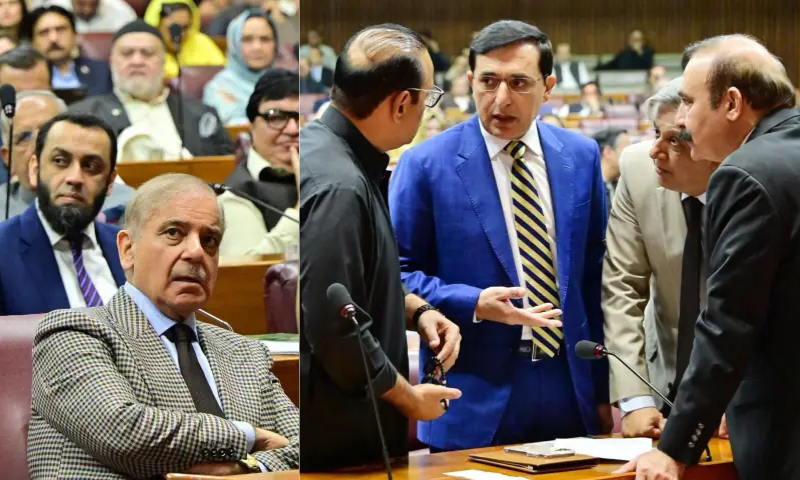
Islamabad, October 14,2026: The Senate and National Assembly on Wednesday approved the federal government’s proclamation of emergency in Khyber Pakhtunkhwa, with the Senate’s endorsement coming amid strong protests and a walkout by Pakistan Tehreek-e-Insaf (PTI) senators.
The approvals followed the federal government’s decision to impose emergency in the province on October 11, citing what it described as the provincial government’s failure to cooperate effectively in the fight against terrorism. The move came amid escalating political tensions between the Centre and the PTI over the party’s planned long march to Islamabad to demand the release of its founder, Imran Khan.
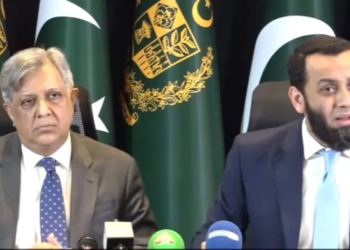
Minister for Parliamentary Affairs Tariq Fazal Chaudhry tabled the relevant motions in both Houses, while Law Minister Azam Nazeer Tarar defended the government’s action, saying the emergency proclamation had been issued in accordance with the Constitution.
Under Article 232 of the Constitution, a presidential proclamation of emergency must be placed before both Houses of Parliament for approval within 10 days.
Senate approves measure amid opposition walkout
The Senate endorsed the emergency proclamation following a heated debate between treasury and opposition members. PTI senators staged a walkout in protest against the decision.
Tarar maintained that the government had followed the constitutional procedure and rejected objections concerning the notice period for tabling the resolution, arguing that the measure had been presented under constitutional requirements.
Senate Chairman Syed Yousaf Raza Gilani urged opposition members to maintain order as they raised slogans against the government’s decision.
Opposition senators questioned the justification for imposing emergency and governor’s rule in the province, alleging that the measures were politically motivated.
PTI Senator Humayun Mohmand claimed that the decision had been planned months earlier and argued that counterterrorism concerns were being used as a pretext to target the party.
PTI-backed Senator Hamid Khan alleged that negotiations between the government and opposition before the imposition of emergency had been intended to mislead the public. He also expressed concern over the implications of the government’s actions for constitutional safeguards and judicial independence.
Senator Mohsin Aziz defended the people of Khyber Pakhtunkhwa, highlighting their sacrifices in the fight against terrorism. He argued that unemployment, poverty and inadequate access to healthcare, water and education also contributed to the province’s challenges.
PTI Senator Zeeshan Khanzada condemned the imposition of emergency and governor’s rule, while Jamiat Ulema-e-Islam-Fazl Senator Kamran Murtaza questioned the availability of relevant documents and constitutional material to lawmakers.
Murtaza said opposition members had not been provided with sufficient documentation to assess the government’s decision.
National Assembly endorses emergency
Earlier, the National Assembly approved the proclamation of emergency by a majority vote following a debate led by Law Minister Azam Nazeer Tarar.
The National Assembly’s official account stated that the House had approved the proclamation issued by the president on October 11 under Article 232 of the Constitution.
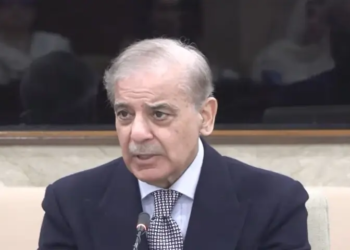
Prime Minister Shehbaz Sharif attended part of the proceedings. National Assembly Speaker Sardar Ayaz Sadiq acknowledged the efforts made by both sides during negotiations on October 3 and expressed support for continuing dialogue if required.
Opposition Leader Mehmood Khan Achakzai criticised the government’s position and questioned the legitimacy of the ruling coalition, while PTI Chairman Barrister Gohar Ali Khan rejected the emergency measures.
Gohar called for counterterrorism efforts to be pursued under the National Action Plan (NAP) and maintained that his party had consistently opposed terrorism. He also questioned the detention of PTI lawmakers and members of Imran Khan’s family.
The PTI chairman said his party had been willing to discuss the government’s concerns during negotiations, including changes to the Khyber Pakhtunkhwa Police Act, but the talks ultimately failed.
Bilawal urges political dialogue
Pakistan Peoples Party (PPP) Chairman Bilawal Bhutto-Zardari defended the constitutional basis of the emergency, blaming the PTI-led provincial government’s approach for contributing to the circumstances that prompted the federal intervention.
Describing the PTI’s handling of the situation as a “political suicide attack” on its own provincial government, Bilawal said the Centre had attempted to engage the opposition before taking the decision.
He referred to the October 3 negotiations, saying discussions had initially appeared to be progressing towards an agreement on joint efforts by the federal and provincial governments against terrorism, but the process eventually collapsed.
Bilawal argued that the emergency should be treated as a temporary measure and called for a comprehensive national response to terrorism.
He nevertheless urged the federal government and opposition to resume negotiations, warning that restrictions on political space could eventually affect all political parties and citizens.
The PPP chairman also called for appropriate facilities to be provided to incarcerated PTI founder Imran Khan.
Government cites worsening security situation
Defending the decision, Tarar said the security situation in Khyber Pakhtunkhwa had deteriorated to the point that it posed a threat to national security.
He said the federal cabinet had reviewed material concerning terrorism during its October 11 meeting before advising the prime minister to recommend the imposition of emergency.
The law minister cited a rise in terrorist incidents in the province, claiming that 2,911 incidents had occurred between 2021 and 2024, compared with 3,787 between October 15, 2025, and October 9, 2026.
He attributed the worsening situation to what he described as shortcomings in the provincial government’s counterterrorism approach, as well as internal disturbances and cross-border infiltration.
Tarar also referred to a special mechanism introduced for 12 districts of the province and defended the government’s decision as a response to mounting security challenges.
Defence Minister Khawaja Asif criticised the PTI’s past policies, particularly its approach towards the proposed resettlement of Tehreek-e-Taliban Pakistan (TTP) members during its tenure in the federal government.
He also questioned the party’s current position on counterterrorism and alleged that the KP chief minister had taken directives from an individual based in Afghanistan.
Asif rejected PTI claims regarding restrictions on meetings with Imran Khan, saying some meetings took place without being publicly disclosed.
MQM-P backs federal decision
Muttahida Qaumi Movement-Pakistan (MQM-P) leader Farooq Sattar expressed support for the federal government’s decision, describing it as difficult but necessary in the prevailing circumstances.
He urged the PTI to openly condemn terrorism and questioned whether the provincial government had taken adequate steps to expose terrorist networks and pursue suspected militants.
Sattar argued that the dispute involved not only security policy but also differences over the political approach to counterterrorism.
The parliamentary proceedings highlighted sharp differences between the government and opposition over the justification, timing and implications of emergency in Khyber Pakhtunkhwa.
While the government maintained that the measure was constitutionally justified by the deteriorating security situation, opposition members alleged political motives and questioned the transparency of the process.
The National Assembly session was adjourned until 11am on Friday, October 16, with calls from some political leaders for renewed dialogue alongside collective action against terrorism.