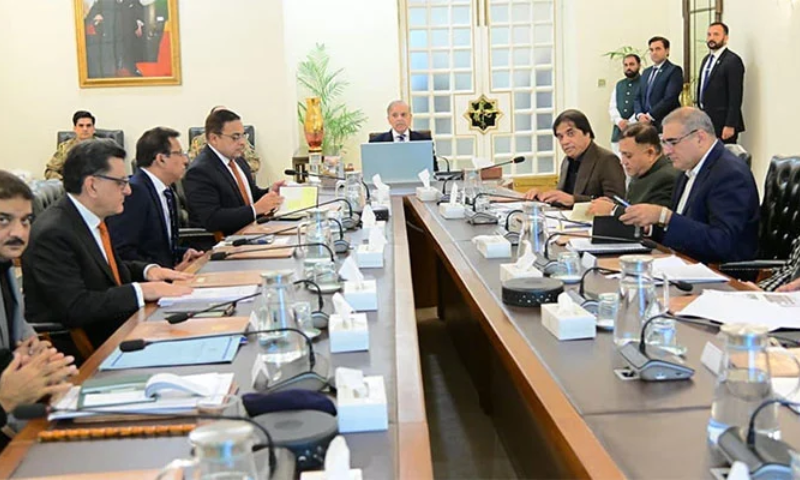
Islamabad, November 22, 2025: Prime Minister Shehbaz Sharif on Saturday emphasized the need to bring in world-class legal and economic experts for all projects related to Pakistan Railways and regional transport corridors, including upcoming international train routes, during a high-level briefing at the PM House.
Highlighting the strategic role of a modern rail network in economic growth and regional communication, PM Shehbaz urged officials to adopt global best practices to upgrade railway infrastructure and expand Pakistan’s role in regional connectivity. Trending keywords from the discussion included ML-1 upgrade, Islamabad-Tehran-Istanbul train, and PM Shehbaz initiatives.
The prime minister directed authorities to accelerate reforms, enhance operational efficiency, and ensure professional oversight across all mega projects. He advocated adopting public-private partnership models for managing railway land and properties and praised the progress made under Minister for Railways Hanif Abbasi and his team in reviving and modernizing the railway network.
The meeting, attended by senior officials including Minister for Economic Affairs Ahad Khan Cheema, reviewed ongoing reforms and digitalization efforts. Officials highlighted the ‘Rabta’ digital initiative, which now covers:
- 56 trains integrated into the digital system
- 54 railway stations digitized
- Free Wi-Fi available at Karachi, Lahore, Rawalpindi, and Faisalabad, with another 48 stations to receive Wi-Fi by December 31
- Launch of an online freight booking system
- Pilot digital weighing bridge project at Karachi City Station, to expand to major hubs including Lahore and Rawalpindi
- 148 AI-powered surveillance cameras installed at Rawalpindi Railway Station
- Improved cleanliness services, waiting areas, and ATM installations
Railway food authorities are now monitoring quality across all four provinces. Outsourcing of luggage and brake vans has generated an estimated Rs820 million, while two cargo express trains under outsourcing are projected to add Rs6.3 billion. Passenger train outsourcing has begun, with 15 trains planned, expected to generate Rs8.5 billion. Railway hospitals in major cities, along with schools, colleges, rest houses, and dry ports, are also being outsourced.
Additionally, 155 stations have shifted to solar energy, demonstrating a push towards sustainable operations.
Three major entities — Railway Constructions Pakistan Limited, Pakistan Railway Freight Transportation Company, and Pakistan Railway Advisory & Consultancy Services — have been closed as part of reforms. Work is ongoing on Karachi–Kotri Main Line-1-K and Main Line-3 upgrades, while Pakistan and Sindh are collaborating on the Thar Rail Connectivity project.
The Islamabad-Tehran-Istanbul train is set to commence operations soon. Preliminary work has also begun on the Kazakhstan–Uzbekistan–Afghanistan–Pakistan rail corridor, marking a significant step toward enhanced regional trade and connectivity.