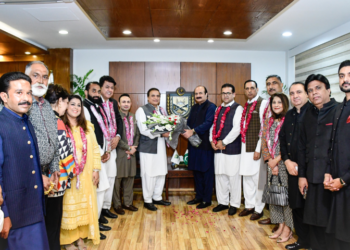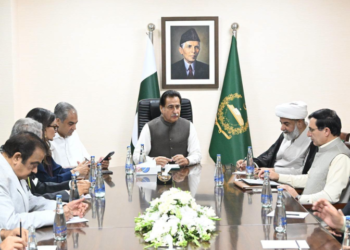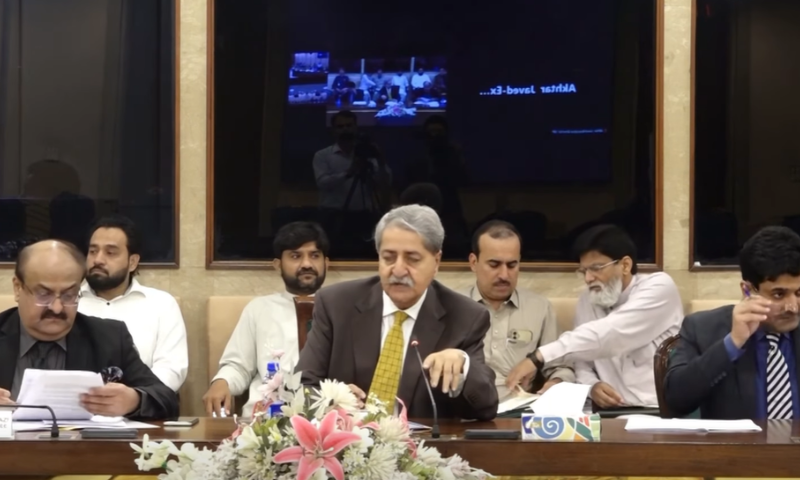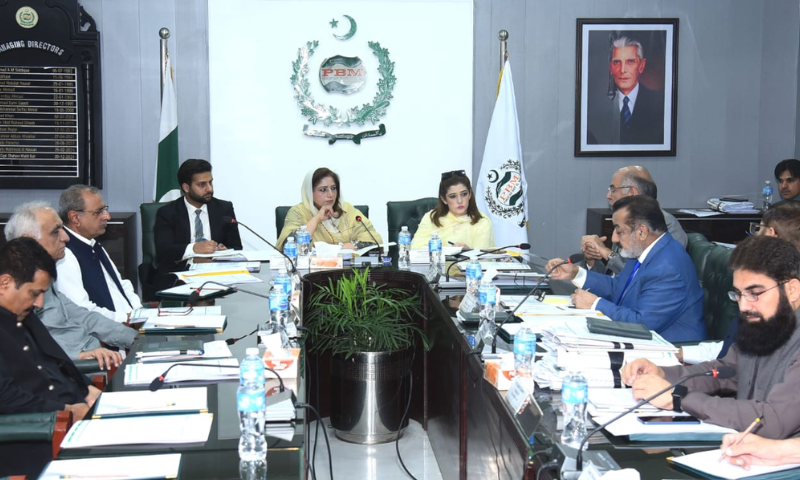
Islamabad, May 13, 2026: A Senate Sub-Committee on Poverty Alleviation and Social Safety, chaired by Senator Rubina Qaimkhani and attended by Senators Jan Muhammad and Dost Ali Jeesar, held a high-level meeting at the headquarters of Pakistan Bait-ul-Mal (PBM) in Islamabad to review administrative, financial and policy matters within the institution.
The meeting, described as the fourth session of the committee’s second phase of review, focused on departmental appointments, promotion policies and institutional governance to ensure transparency and accountability.
During the proceedings, the committee reviewed the legal framework of Pakistan Bait-ul-Mal under the PBM Act of 1991 and noted that while the Managing Director and the Board possess administrative and financial authority, their powers must remain within the limits of the Rules of Business 1973 and the ESTA Code. The committee observed that any actions beyond the prescribed legal framework would be considered illegal.
The sub-committee expressed serious concern over alleged irregularities in promotions carried out between 2018 and 2023. Members were informed that after a 13-year gap in Departmental Promotion Committees between 2005 and 2018, the PBM Board promoted existing employees into vacant positions, resulting in the promotion of 80 employees in 2019.
However, the committee alleged that 191 promotions, including 189 officers in the Assistant Directors General cadre, were carried out illegally through the creation of what it described as “dreamy seats” and unlawful promotion quotas. The committee maintained that there was no legal provision allowing such seats to be used for promotions after a lapse of 13 to 15 years and rejected claims that the promotions had been validated through a Supreme Court judgment.
The committee further alleged that around Rs190 million had been paid as back benefits to officers promoted under the disputed process.
Additional financial irregularities were also discussed during the meeting. The committee claimed that Rs60 million had been paid in advance to a vendor without bidding documents, a formal contract or approval from competent authority. It also referred to audit findings from Quetta for 2024-25, alleging corruption exceeding Rs680 million.
The committee further noted concerns over appointments made without required qualifications, alleged violations in recruitment procedures and stop-gap arrangements made contrary to rules. Members observed that the department appeared to be functioning on the basis of “likes and dislikes” instead of merit and regulations.
The sub-committee also reviewed an ongoing inquiry into an alleged fake degree case within the organization. Officials informed the committee that the inquiry report had been completed and the department would determine the final disciplinary action after completion of administrative procedures.
Referring to Supreme Court judgments, including the cases of Fakhar Majeed versus Government of Punjab and Ghulam Qadir Thebo versus Federation of Pakistan, the committee claimed that legal directives and parliamentary instructions had not been properly implemented.
At the conclusion of the meeting, the committee directed PBM authorities to immediately scrutinize the academic credentials and supporting documents of all employees. It also sought a detailed report in the next meeting regarding the procurement of 1,000 allegedly sub-standard wheelchairs, stating that the main individuals responsible had already been identified during the inquiry process.
The chair warned that if the committee remained dissatisfied in the next session, references for special audit, forensic audit and criminal investigation would be sent to the Auditor General of Pakistan and the Federal Investigation Agency.
The meeting was attended by the Secretary of the Ministry of Poverty Alleviation and Social Safety, the Managing Director of Pakistan Bait-ul-Mal and other senior officials.