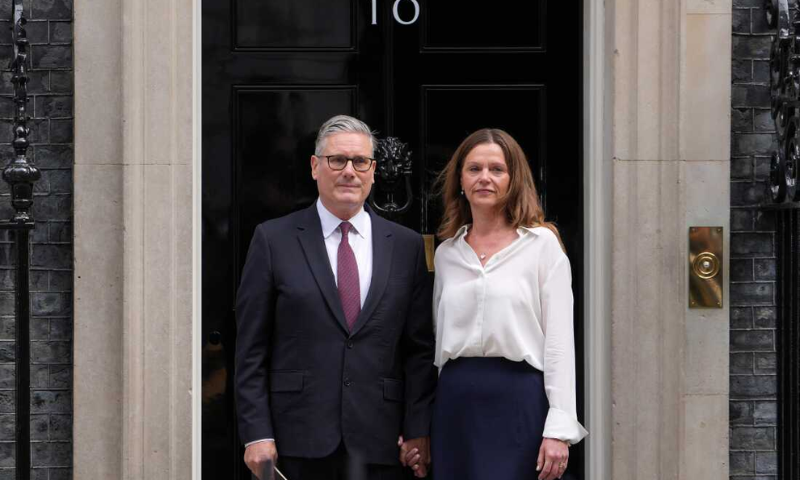
London, June 22, 2026: British Prime Minister Keir Starmer announced on Monday that he will step down from office, with a new leader expected to be in place before Parliament returns in September, setting the stage for Britain’s seventh prime minister in a decade.
Less than two years after leading Labour to a landslide election victory that promised stability and a fresh start for British politics, Starmer acknowledged that support within his party had eroded and that it was time to make way for new leadership.
“The question my party is asking now is whether I am best placed to lead us into the next general election. I have heard the answer of my parliamentary party to that question, and I accept that answer with good grace,” Starmer said.
He announced that nominations for the Labour leadership contest will open on July 9. Greater Manchester Mayor Andy Burnham is widely regarded as the frontrunner to succeed him.
Speculation over Starmer’s future had been growing for months, but pressure intensified sharply after Burnham secured a decisive victory in a parliamentary by-election on Friday, defeating a candidate from Nigel Farage’s Reform UK party.
The result boosted confidence among Labour lawmakers who believe Burnham’s communication skills and political experience could help revive the party’s fortunes after a period of declining public support under Starmer.
Starmer, whose approval ratings have fallen significantly in recent months, became visibly emotional while thanking colleagues, supporters, and his family for their backing during his tenure.
Financial markets reacted calmly to the announcement, with the pound and British government bonds showing little movement, reflecting widespread expectations that a leadership transition was imminent.
However, analysts cautioned that a change in leadership would not automatically resolve Britain’s economic and political challenges.
Burnham has called for fundamental change and measures to ease the cost-of-living crisis but has yet to fully outline his positions on foreign policy, defence, and economic management.
Economists note that any incoming government leader will face limited fiscal flexibility amid high public debt, sluggish economic growth, pressure on public services, and rising defence spending requirements.
Britain currently faces some of the highest borrowing costs among Group of Seven economies, adding further constraints on policymaking.
Investors and analysts remain divided over how a Burnham-led government might approach fiscal policy. Previous remarks by Burnham suggesting Britain should move “beyond this thing of being in hock to the bond markets” sparked debate among economists and investors, although he later argued that his comments had been misinterpreted.
“In our view, a Burnham premiership would inherit a precarious fiscal situation with few tools to deliver meaningful change,” economists at Citibank said in a recent assessment.
Only days earlier, Starmer had indicated he was prepared to contest any formal leadership challenge. However, developments over the weekend appeared to alter that position, culminating in Monday’s resignation announcement.
Whoever succeeds Starmer will become Britain’s seventh prime minister since the 2016 Brexit referendum, highlighting an unprecedented period of political turnover and public dissatisfaction with successive governments.
Political analysts say the frequent leadership changes reflect voter frustration over stagnant living standards, pressure on public services, economic uncertainty, and concerns over illegal immigration.
The transition is expected to continue through the summer, with Labour seeking to unite behind a new leader before Parliament reconvenes in September and ahead of key domestic and international policy decisions.