Tehran/Washington/Muscat/Sanaa, August 6, 2026: Tensions between Iran and the United States remained high on Wednesday despite reports of progress in diplomatic efforts to reopen the strategically vital Strait of Hormuz, with Iranian officials warning that any agreement would depend on an end to what Tehran describes as US interference and military threats.
Chairman of the National Security Committee of the Iranian Parliament Ebrahim Azizi declared that the expulsion of American forces from the Middle East was inevitable.
In a post on social media platform X, Azizi said the day was “not far off” when US forces would be expelled not only from the region but also from countries hosting American military bases. He added that Washington would eventually be forced to divert resources from maintaining overseas bases to ensuring security within its own territory.
Hormuz negotiations continue
Iranian officials maintained that negotiations with Oman regarding future navigation through the Strait of Hormuz were progressing positively but stressed that any agreement would not result in the immediate reopening of the crucial waterway.
According to Iranian state media and reports carried by Press TV and Al Jazeera, discussions are being held exclusively between Tehran and Muscat and are not linked to the United States.
Iranian sources said that even if Tehran and Muscat reached an agreement on shipping arrangements, the Strait would remain closed as long as what Iran described as continued US violations and military threats persisted.
“The reopening of the Strait of Hormuz depends on a change in US behaviour and the correction of its violations,” an informed Iranian source was quoted as saying.
The same source added that American interference and repeated military threats by US President Donald Trump remained the principal obstacles delaying a final understanding with Oman.
Iran’s Foreign Ministry spokesman, Esmaeil Baghaei confirmed that talks with Oman were continuing constructively and were focused on establishing safe shipping routes while safeguarding the sovereign rights and national security interests of both Iran and Oman.
Trump optimistic about breakthrough
President Donald Trump expressed confidence that the Strait of Hormuz would reopen “very soon” as negotiations with Tehran continued.
Speaking to Fox News, Trump said he had previously been prepared to launch what he described as a massive military strike against Iran but agreed to negotiations after Iranian officials requested talks.
“We were going to launch a tremendous attack… but they asked to negotiate,” Trump said, adding that discussions between US and Iranian officials had been productive.
He warned, however, that Washington would respond with overwhelming military force if negotiations failed or if Iran abandoned the talks.
“If they back out again, they’re going to get hit really hard. They know that. They can’t have a nuclear weapon,” he said.
Trump later told reporters that negotiations had continued throughout Tuesday and that developments over the next 48 hours would determine whether a breakthrough could be achieved.
US Secretary of State Marco Rubio also expressed optimism that an agreement on maritime navigation through the Strait of Hormuz could be reached shortly, although he acknowledged that discussions had not yet been finalised.
According to Axios, the United States, Iran and Oman are working toward an interim arrangement aimed at reopening the Strait and restoring a ceasefire between Washington and Tehran.
Iran dismisses US narrative
Iranian officials rejected Washington’s portrayal of the negotiations.
Parliamentary National Security Committee member Esmail Kowsari described Trump’s negotiating approach as “contradictory and unreliable,” arguing that the US president had repeatedly made inaccurate public statements regarding the Strait of Hormuz and the status of negotiations.
Kowsari claimed Trump had frequently asserted that the Strait was open despite ongoing restrictions and had repeatedly spoken of Iran’s defeat and an imminent agreement without evidence.
Tehran insisted it would not conclude any agreement while facing military pressure.
“Iran will not reach any agreement under the shadow of threats,” an informed Iranian source told local media.
Houthis claim new attacks on Saudi oil tankers
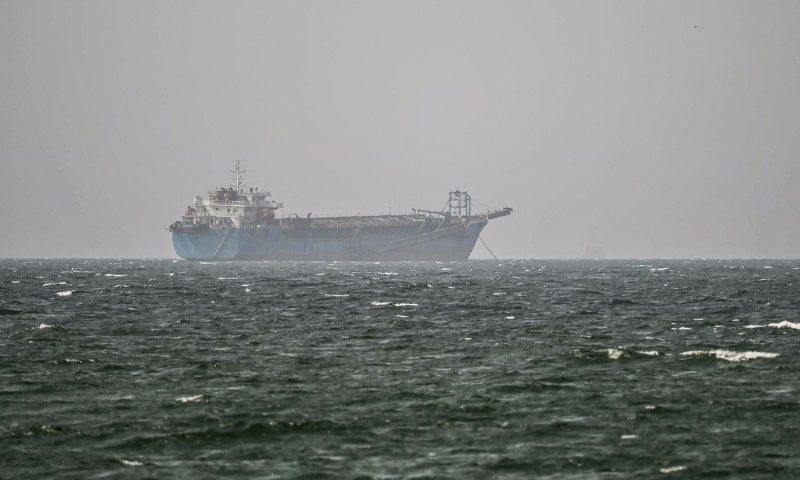
Meanwhile, Yemen’s Houthi movement announced that it had launched another ballistic missile attack against a Saudi oil tanker in the northern Red Sea near the port of Yanbu.
Houthi military spokesman Yahya Saree claimed several ballistic missiles struck the tanker Wafaa accurately as part of the group’s expanding maritime blockade against Saudi Arabia.
According to Saree, eight Saudi oil tankers have been targeted since the Houthis announced their blockade on July 22, while 29 others have either been prevented from transiting the Red Sea or forced to change course.
The group vowed to intensify attacks on Saudi shipping regardless of the consequences.
Saudi authorities had not issued any immediate response to the Houthi claims.
Regional and global concerns
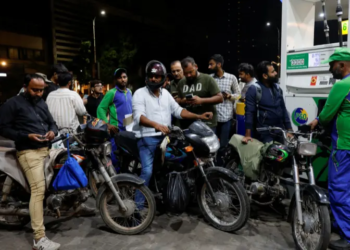
The continuing disruption in the Strait of Hormuz, through which roughly one-fifth of global oil and liquefied natural gas supplies normally pass, has heightened concerns over international energy security despite recent optimism surrounding diplomatic efforts.
Oil prices eased during Asian trading after reports suggested progress in negotiations, while global equity markets reacted positively to hopes that commercial shipping could soon resume.
Qatar also confirmed that mediators were making progress toward reducing tensions between Washington and Tehran. Emir Sheikh Tamim bin Hamad Al Thani discussed diplomatic efforts with President Trump during a telephone conversation focused on narrowing differences and achieving a lasting settlement.
Despite the diplomatic momentum, Israeli officials reportedly remain sceptical of the negotiations. According to Israeli media, senior officials believe the Trump administration is pursuing an agreement with Iran at almost any cost and have expressed concern that Israel is receiving only limited information regarding the ongoing talks.
With negotiations continuing and military threats still being exchanged, uncertainty remains over when — or under what conditions — the Strait of Hormuz, one of the world’s most strategically important maritime corridors, will fully reopen.