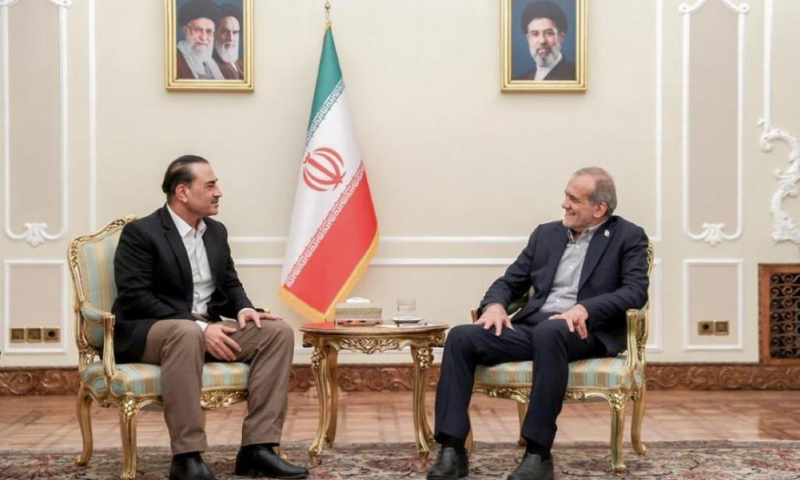
Islamabad/Tehran, August 25, 2026: Pakistan stepped up diplomatic efforts to help end the ongoing US-Iran conflict as Chief of Defence Forces and Chief of Army Staff Field Marshal Syed Asim Munir, NI (M), HJ, and Interior Minister Mohsin Naqvi concluded a day-long visit to Tehran, holding talks with Iran’s top political, diplomatic and security leadership.
According to the Inter-Services Public Relations (ISPR), the visit was part of Pakistan’s diplomatic efforts to break the deadlock in the conflict, prevent further escalation and explore a negotiated settlement aimed at achieving enduring peace and ending instability in the region.
During the visit, Field Marshal Munir held separate meetings with Iranian President Masoud Pezeshkian, Mohsen Rezaei, the Supreme Leader’s representative on the Supreme National Security Council, Parliament Speaker Mohammad Bagher Ghalibaf, Foreign Minister Seyed Abbas Araghchi and Interior Minister Eskandar Momeni.
“Comprehensive discussions focused on measures to prevent further escalation, reopening of the Strait of Hormuz and expedited termination of the conflict,” ISPR said.
The two sides also exchanged views on regional peace and possible ways to reach a negotiated settlement of the disputes. The Iranian leadership appreciated Pakistan’s constructive role and its sincere efforts to facilitate dialogue, de-escalation and a peaceful resolution of the conflict.
Field Marshal Munir was received upon arrival in Tehran by Iranian Interior Minister Eskandar Momeni and other senior civil and military officials.
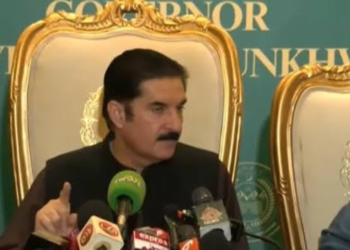
Interior Minister Mohsin Naqvi, who accompanied the army chief, said Pakistan had made “significant progress” in its efforts to help end the US-Iran conflict.
In a post on X, Naqvi described his meeting with President Pezeshkian as “very positive and productive”, saying the discussions focused on the US-Iran conflict, wider tensions in the Middle East and the way forward.
He said the two sides also discussed measures required to restore the Islamabad memorandum of understanding (MoU) aimed at providing a comprehensive framework for settlement of the conflict.
“The Iranian President candidly shared his Government’s perspective and concerns, and we had a very constructive exchange on the issues involved,” Naqvi said.
The interior minister expressed hope that the positive momentum generated through the engagement would help pave the way for further progress and lasting peace in the region.
Pakistan’s latest diplomatic initiative comes amid renewed tensions following Washington’s announcement of an expanded sanctions regime targeting Iran. US officials said the measures were intended to restrict Tehran’s economic lifelines and pressure countries doing business with Iran.
The US Treasury Secretary Scott Bessent announced the measures on Monday, warning that countries continuing to trade with Iran could risk being cut off from the dollar-based financial system. Washington also announced sanctions against 60 individuals, entities and vessels, although Chinese financial institutions suspected of facilitating Iranian oil trade were not included in the latest list.
Iran has rejected the pressure campaign and vowed to retaliate against the expanded sanctions.
Iranian Economy Minister Ali Madanizadeh said Tehran was fully prepared to withstand the new US measures, describing them as an economic attack and warning that Iran had “its own tools” to respond.
He also said China and Russia had not accepted the US measures and expressed confidence that other countries would resist Washington’s pressure campaign.
Separately, Brigadier General Hossein Mohebbi, a spokesperson for Iran’s Islamic Revolutionary Guard Corps, warned that Iran could target US vital interests and energy chokepoints if its infrastructure came under threat, according to Iranian state media.
The escalating confrontation has also placed the Strait of Hormuz at the centre of international concern. The waterway is a critical global energy corridor, and any prolonged disruption could have far-reaching consequences for oil supplies, shipping and the wider global economy.
Pakistan has increasingly positioned itself as a potential bridge between Tehran and Washington as efforts continue to contain the conflict. Islamabad previously facilitated a ceasefire between the two sides and has since continued diplomatic contacts aimed at keeping channels of communication open.
The Tehran visit underscores Pakistan’s push for diplomacy at a time of heightened regional tensions, with Islamabad seeking an early de-escalation, restoration of stability and a negotiated settlement rather than further military confrontation.