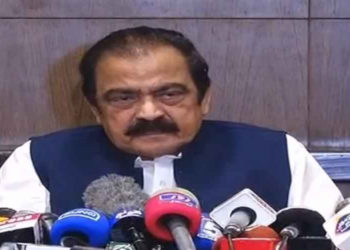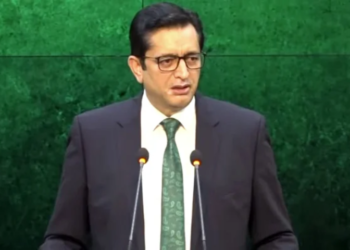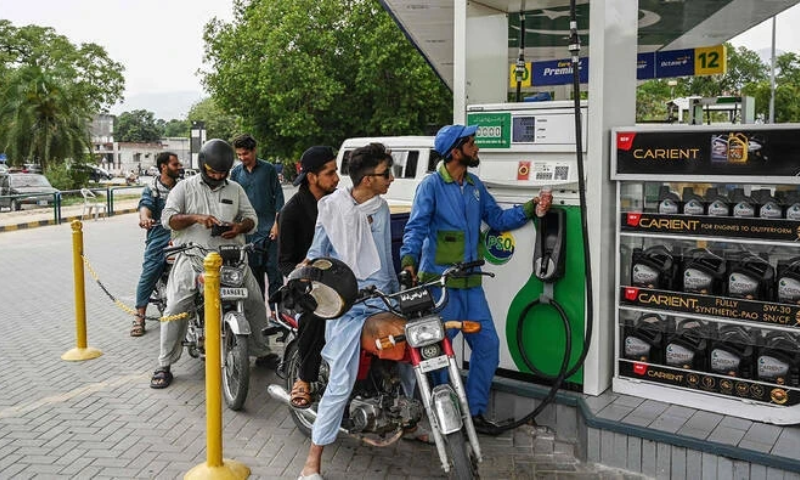
Islamabad, September 13, 2026: Prime Minister Muhammad Shehbaz Sharif on Sunday launched a special relief scheme offering a discount of Rs100 per litre on petrol for motorcyclists, rickshaw and Chingchi owners and users, and drivers of vehicles up to 800cc, as the government moved to ease the impact of rising fuel prices.
Under the scheme, owners and users of motorcycles, rickshaws and other two- and three-wheeled vehicles will receive Rs100 per litre relief on up to 20 litres of petrol per month.
Owners of small vehicles with engine capacity of up to 800cc will be eligible for the same relief on up to 30 litres of petrol per month.
The announcement came after the government increased petrol and high-speed diesel prices by Rs5.02 and Rs5.28 per litre, respectively, on Friday. Petrol is now being sold at Rs375.82 per litre, while high-speed diesel costs Rs403.32 per litre.
Announcing the scheme, Prime Minister Shehbaz Sharif said the government was fully aware of the difficulties being faced by the public because of rising oil prices and would not leave people alone during the challenging period.
He said the special scheme had been introduced to reduce the burden of higher fuel prices on people using motorcycles, rickshaws, Chingchis and small vehicles.
The scheme will take effect in Islamabad from the intervening night of Monday and Tuesday, while its rollout across the country, including Azad Jammu and Kashmir and Gilgit-Baltistan, will begin from the intervening night of Wednesday and Thursday.
Registration for the scheme has been opened with immediate effect. The government will launch an awareness campaign to inform citizens about the registration process.
The prime minister thanked the provincial governments for cooperating in sharing vehicle registration data to facilitate implementation of the relief package.
The relief scheme comes amid heightened volatility in global oil markets following renewed hostilities in the Middle East.
The government had shifted to a daily fuel price review mechanism in July in response to increased volatility in international oil prices.
Following the outbreak of the Middle East conflict on February 28, the government had initially moved from a fortnightly to weekly fuel price reviews after Israel and the United States launched attacks on Iran, prompting Tehran to close the Strait of Hormuz, a key maritime route for global energy supplies.
The subsequent escalation following the collapse of a fragile ceasefire reached in June between Tehran and Washington further increased concerns over a wider regional conflict and possible disruptions to energy shipments through the strategic waterway.
Before the introduction of the weekly review system, petroleum prices in Pakistan were revised on a fortnightly basis.