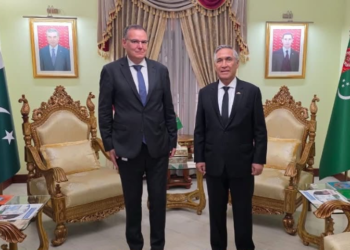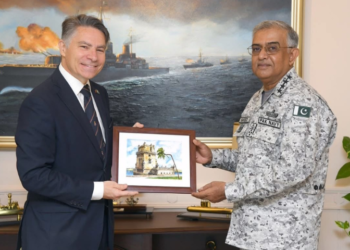
Islamabad, September 17, 2026: A two-day study visit workshop on export controls for dual-use goods and technologies was held in Islamabad from September 15 to 16 under the European Union’s P2P Export Control Programme.
The workshop was jointly organised by the Strategic Export Control Division (SECDIV) of the Ministry of Foreign Affairs, the European Union and the German Federal Office for Economic Affairs and Export Control (BAFA).
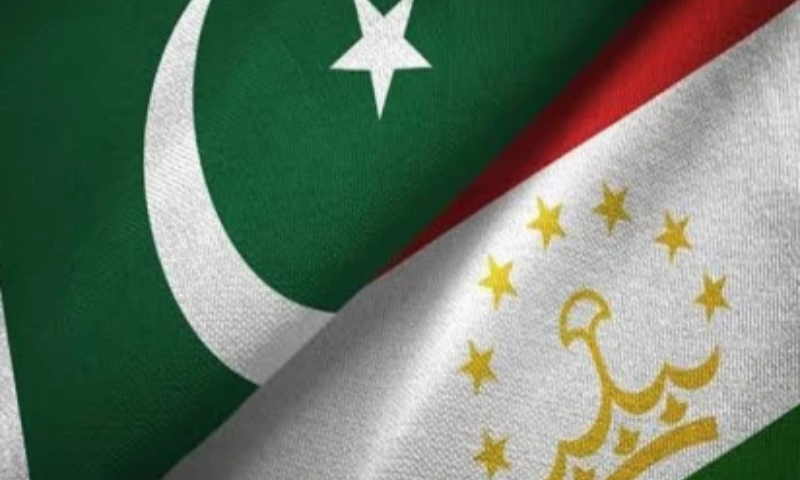
The five-session workshop brought together senior officials and experts from Pakistan, Tajikistan and BAFA to exchange experiences on national strategic trade control frameworks and promote international cooperation in the legitimate trade of dual-use goods and technologies.
The workshop was inaugurated by Additional Secretary (Europe) Ambassador Ayesha Ali, who stressed the right of developing countries to access dual-use goods and technologies for peaceful purposes and socio-economic development.
She emphasised the need to maintain a balance between national security requirements and facilitating legitimate trade, while reaffirming Pakistan’s commitment to its international obligations relating to non-proliferation and disarmament.
Director General SECDIV Haroon Rashid, in his welcome remarks, highlighted the growing importance of effective controls over the transfer of strategic and dual-use goods and technologies.
He briefed participants on Pakistan’s legislative, regulatory and administrative export control framework aimed at preventing the diversion of sensitive goods and technologies to non-peaceful uses.
Rashid also noted Pakistan’s voluntary adherence to relevant guidelines and control lists of the Nuclear Suppliers Group (NSG), Missile Technology Control Regime (MTCR) and Australia Group (AG).
The workshop provided an opportunity to showcase Pakistan’s export control architecture, including its licensing and enforcement mechanisms, while facilitating the exchange of experiences and best practices.
The participants also discussed ways to strengthen cross-border cooperation on strategic trade controls and facilitate secure and legitimate trade through efficient and internationally aligned procedures.